12
Jun
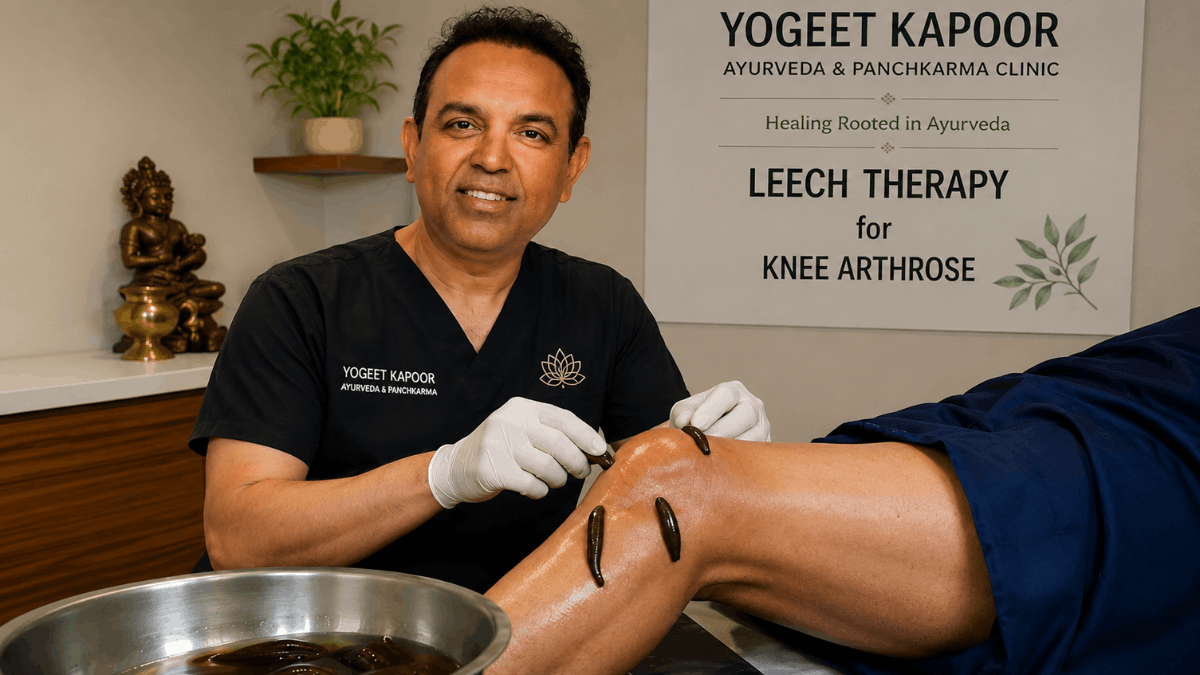
Discover a rare and highly distinctive natural therapy in Switzerland that brings together Ayurvedic wisdom, modern therapeutic relevance, and a premium wellness experience. Hirudotherapy, also known as medicinal leech therapy or Jalaukavacharana in Ayurveda, is sought after by clients who value depth, personalization, and a more intelligent approach to circulation, tissue recovery, and whole-person well-being.
It offers a carefully guided therapeutic experience designed to support circulation, help relieve venous congestion, and complement a sophisticated integrative health journey.
In classical Ayurveda, Jalaukavacharana is a refined form of Rakta Mokshana used to help reduce localized stagnation, excess heat, and inflammatory imbalance. In modern medicine, medicinal leeches remain recognized for relieving venous congestion in reconstructive and microsurgical settings, which strengthens the credibility of this natural therapy in a contemporary healthcare landscape.
Why This Hirudotherapy Stands Apart
Hirudotherapy is distinguished by the rare combination of therapeutic tradition, biological sophistication, and highly personalized application. In classical Ayurveda, Jalaukavacharana is a refined form of Rakta Mokshana used to address localized stagnation, excess heat, and inflammatory imbalance. In modern medicine, medicinal leeches are recognized in reconstructive and microsurgical settings for the management of venous congestion, reinforcing the credibility of this therapy within contemporary integrative care.
What makes hirudotherapy so compelling is the combination of tradition, biological complexity, and therapeutic precision. Medicinal leech saliva contains a wide spectrum of bioactive compounds associated with anticoagulant, anti-inflammatory, vasodilatory, platelet-inhibiting, and microcirculatory effects. This unique profile helps explain why hirudotherapy continues to attract interest in both wellness-oriented care and modern scientific research.
Why Patients Choose Hirudotherapy in Switzerland
Patients are increasingly drawn to therapies that feel natural, individualized, and aligned with a broader vision of health. Hirudotherapy offers exactly that: a gentle yet distinctive therapeutic experience that may support circulation, lighter-feeling legs, localized recovery, and a sense of renewed vitality. For a premium Ayurveda, naturopathy, or integrative medicine practice, it also creates a strong point of differentiation that communicates expertise, depth, and authenticity.
What Modern Research Highlights
Scientific literature describes more than 100 bioactive substances in medicinal leech saliva, including hirudin, calin, bdellins, eglins, and other compounds linked to blood flow regulation and inflammatory response. Modern medicine has most clearly established the use of medicinal leeches for venous congestion in reconstructive and microsurgical care, while complementary medicine continues to evaluate broader applications. This combination of traditional credibility and modern biological interest makes hirudotherapy highly relevant for effective therapeutic results.
Who May Benefit from Hirudotherapy?
Hirudotherapy may appeal to people exploring natural support for circulation, venous stagnation, inflammatory tension, tissue recovery, and holistic vitality. It can also be relevant for those interested in Ayurvedic purification approaches, natural blood purification concepts, and non-invasive complementary therapies delivered in a professional environment. When performed by a qualified practitioner with appropriate hygiene, screening, and individualized assessment, it can be presented as a high-value wellness and integrative care offering.
Begin with a Personalized Consultation
If you are considering hirudotherapy in Switzerland, the most valuable next step is a personalized consultation. This initial assessment allows your practitioner to understand your needs, review contraindications, and design a tailored path that aligns with your therapeutic goals. For clients in Nyon, Geneva, Lausanne, and the Lake Geneva region, this is an opportunity to experience a natural therapy that is both highly distinctive and carefully grounded in professional care.
FAQ – Hirudotherapy (Jalaukavacharana) in Switzerland
1. What conditions can hirudotherapy help support?
Hirudotherapy, also known as medicinal leech therapy or Jalaukavacharana in Ayurveda, may be considered as a complementary approach for varicose veins, venous congestion, heavy legs, poor peripheral circulation, certain chronic inflammatory conditions, joint discomfort, osteoarthritis, tendonitis, sports injuries, localized edema, hematomas, and selected skin concerns such as eczema, psoriasis, acne, or inflammatory flare-ups. In integrative care settings, it may also be discussed for post-surgical tissue congestion when medically appropriate and for Ayurvedic patterns associated with Rakta Dushti and aggravated Pitta. Suitability must always be assessed during a professional consultation.
2. Who should avoid hirudotherapy?
Hirudotherapy is generally avoided in cases of severe anemia, hemophilia or other bleeding disorders, active hemorrhage, sepsis, significant hypotension, hematological malignancies, active infection at the treatment site, known allergy to leech saliva components, and in people using anticoagulants or immunosuppressants unless there is specific medical clearance. Pregnancy, lactation, very low body weight, and severe debility also require particular caution. A thorough health assessment is essential before any session.
3. Are there any side effects?
Most reactions are mild and temporary. Common effects may include redness around the bite site, itching, mild swelling, bruising, and light oozing of blood for several hours after treatment. In rare cases, more significant bleeding, infection, allergic reactions, or delayed wound healing may occur. Professional supervision, careful screening, and proper aftercare help reduce these risks.
4. What biochemical substances are found in medicinal leech saliva?
Medicinal leech saliva contains more than 100 biologically active compounds. Among the best known are hirudin, calin, destabilase, hyaluronidase, bdellins, eglins, apyrase, histamine-like substances, collagenase, and other molecules associated with anticoagulant, platelet-inhibiting, anti-inflammatory, microcirculatory, and tissue-remodeling effects. This rich biochemical profile is one of the main reasons hirudotherapy continues to attract interest in both integrative medicine and modern biomedical research.
5. How many hirudotherapy sessions are usually needed?
The number of sessions depends on the condition, the person’s constitution, and the therapeutic goal. Acute concerns may sometimes require only one to three sessions, while chronic inflammatory or circulatory patterns may call for a more structured plan over several appointments. In wellness-oriented or preventive care, periodic sessions spaced across the year may be sufficient. The sessions are recommend according to personalized treatment rhythm based on your needs.
6. How often can sessions be performed?
In many cases, sessions are spaced every two to six weeks, although shorter or longer intervals may be chosen according to clinical context and practitioner judgment. For maintenance, vitality, and preventive wellness support, only a few sessions per year may be enough. Frequency should always reflect the person’s health status, treatment response, and overall integrative care plan.
7. What should I expect during a hirudotherapy session?
A typical session begins with a health review and screening for contraindications. The treatment area is then cleansed, medicinal leeches are placed carefully, and they feed for approximately 60-120 minutes before detaching naturally. Afterward, the area is dressed and aftercare instructions are explained. Many people describe the session as surprisingly calm and deeply relaxing.
8. Is hirudotherapy painful?
Most people report only a mild pinching or tingling sensation at the beginning, followed by warmth in the treatment area. Because leech saliva contains anesthetic-like and soothing compounds, the session is often more comfortable than expected.
9. How should I prepare before a session?
To optimize treatment conditions, it is usually recommended to avoid alcohol, recreational drugs, and strongly scented products such as perfumes, deodorants, lotions, or scented soaps for 24 hours before treatment. Staying well hydrated, eating a light meal, wearing comfortable clothing, and informing your practitioner about all medications and supplements can help the session proceed smoothly.
10. What should I do after the session?
After treatment, keep the dressing in place as instructed, avoid scratching the area, stay hydrated, and follow wound-care advice carefully. It is generally best to avoid intense exercise, swimming pools, saunas, and hot baths for 24 to 48 hours. Mild bleeding after treatment can occur and is often considered part of the normal therapeutic response.
11. What results can I expect after treatment?
Depending on the indication, some people report improved circulation, less swelling, reduced heaviness in the limbs, calmer local inflammation, healthier-looking skin, and a greater sense of vitality. Tissue response varies from one person to another, and expectations should always remain individualized.
12. How quickly can results appear?
Some individuals notice a sense of relief or lightness soon after the first session. In more chronic or long-standing conditions, benefits may emerge progressively over several sessions as part of a broader treatment plan.
13. Is hirudotherapy recognized in Europe and modern medicine?
Yes. Medicinal leech therapy has a long history in European medicine and remains recognized in modern reconstructive and microsurgical practice for the management of venous congestion and tissue viability in selected cases. This established medical role contributes to the credibility of hirudotherapy in Switzerland and across Europe.
14. Can hirudotherapy be combined with Ayurveda and naturopathy?
Absolutely. Hirudotherapy is often integrated with Ayurvedic consultation, herbal support, nutrition and dietary counseling, Panchakarma-oriented care, naturopathy, acupuncture, and broader functional or integrative medicine approaches. This holistic strategy helps address both localized symptoms and broader constitutional imbalances.
15. Is hirudotherapy available in Nyon, Geneva, and Lausanne?
People searching for hirudotherapy in Nyon, hirudotherapy in Geneva, hirudotherapy in Lausanne, medicinal leech therapy in Switzerland, or Ayurvedic leech therapy in the Lake Geneva region often look for practitioners who combine clinical rigor with holistic expertise. When choosing a practitioner, it is important to confirm that medical-grade leeches are used, hygiene and safety protocols are followed, a full health assessment is conducted, and treatment recommendations are tailored to the individual.
Ayurvedic Perspective on Jalaukavacharana
In Ayurveda, Jalaukavacharana is regarded as one of the gentlest forms of Rakta Mokshana and is traditionally considered especially relevant in conditions involving Rakta Dushti, Pitta aggravation, inflammatory skin disorders, burning sensations, localized pain, venous congestion, non-healing wounds, and Vatarakta-type presentations. Ayurvedic teaching describes leech therapy as a refined and minimally invasive procedure that may be appropriate even for delicate individuals when performed correctly by a trained practitioner.