Ayurvedic Gynaecology
Perimenopause, Menopause & Ayurveda in Nyon
Personalised complementary Ayurvedic support for the hormonal transition, hot flushes, sleep and metabolism
Perimenopause and menopause can bring hot flushes, night sweats, disturbed sleep, fatigue, mood changes, vaginal dryness and metabolic changes. At L’essencce in Nyon, Ayurveda offers personalised complementary support for this hormonal transition.

Understanding the Transition
Understanding Perimenopause & Menopause
Perimenopause is the transition leading up to menopause, during which menstrual cycles often become more irregular and hormonal symptoms may fluctuate.
Menopause is confirmed after 12 consecutive months without menstruation, in the absence of another cause.
This transition is physiological, but symptoms may significantly affect quality of life. Common concerns include hot flushes, night sweats, sleep disruption, fatigue, brain fog, mood changes, vaginal dryness, reduced libido and changes in weight or body composition.
Why Do Symptoms Vary So Much Between Women?
Changes in ovarian hormones do not affect every woman in the same way.
Some women mainly experience vasomotor symptoms such as hot flushes and night sweats, while others are more affected by insomnia, dryness, irritability, fatigue or metabolic changes.
Personal context also matters. Stress, sleep quality, physical activity, muscle mass, nutrition, medical history and hormonal or non-hormonal treatment can all influence how perimenopause and menopause are experienced.
Understanding Menopause According to Ayurveda
From an Ayurvedic perspective, this stage of life is often associated with a greater role for Vata (the principle of movement and dryness).
Pitta (the principle of transformation and heat) may be particularly relevant when hot flushes, night sweats, irritability or heat-related symptoms dominate.
Kapha (the principle of structure and stability) may also be considered when heaviness, metabolic slowing or changes in body composition are more prominent.
Agni (digestive and metabolic capacity), sleep, bowel function, dryness and energy levels are also assessed. The Ayurvedic approach is therefore individualised and does not reduce menopause to a simple “hormonal imbalance”.
Step-by-Step Care
The Ayurvedic Approach to Perimenopause & Menopause
01
Step 01
Identifying the Dominant Symptoms
The consultation explores menstrual pattern, frequency of hot flushes, sleep quality, fatigue, vaginal or general dryness, mood, digestion, weight, physical activity and the impact on daily life.
Current medication, gynaecological history and, where relevant, bone, cardiovascular and metabolic health are also taken into account.
02
Step 02
Individual Ayurvedic Assessment
Assessment distinguishes Prakriti (individual constitution) from Vikriti (current imbalance) and evaluates Vata, Pitta, Kapha and Agni according to the actual symptom profile.
A woman mainly experiencing hot flushes and irritability may require a different strategy from someone affected by dryness, insomnia and anxiety, or from someone with more fatigue and metabolic slowing.
03
Step 03
Nutrition & Metabolism After 40–50
Ahara (nutrition) is adapted to Agni, physical activity, body composition and digestive symptoms.
The aim is not to impose a restrictive diet but to support energy, muscle mass, digestion and metabolic stability.
Protein quality, meal regularity and overall nutritional balance may become increasingly important with age, alongside attention to bone and cardiovascular health.
04
Step 04
Sleep, Physical Activity & Daily Routine
Sleep often becomes a central issue when night sweats or repeated awakenings are present.
Vihara (lifestyle guidance) may include sleep routine, recovery, stress regulation and appropriate physical activity.
Regular movement, including resistance exercise and suitable cardiovascular activity, can also support muscle strength, mobility and metabolic health.
05
Step 05
Ayurvedic Herbal Medicine & Therapies
Individualised Ayurvedic formulations may be considered according to the constitutional terrain, Agni, and the dominant symptoms, after checking current medication and contraindications.
Depending on the assessment, support may include:
- Abhyanga — Ayurvedic oil massage
- Shirodhara — continuous flow of warm liquid over the forehead
- Nasya — traditional nasal administration of selected Ayurvedic preparations
Selected Panchakarma procedures may be considered in appropriate patients, including:
- Basti — therapeutic Ayurvedic administration via the rectal route
- Virechana — controlled therapeutic purgation
- Vamana — controlled therapeutic emesis, used much more selectively and only when clearly indicated
ACMOS Bioenergy may also be offered at L’essencce as a separate complementary approach aimed at energetic balancing, work on meridian pathways and stimulation of selected Marma points (vital points described in Ayurveda).
These approaches are not routine. Their selection depends on the constitution, symptoms, age, general strength, stage of the menopausal transition, current treatment and contraindications.
Supporting the Transition According to Your Priorities
Menopause is not a disease, but the transition can be challenging when hot flushes, disturbed sleep, fatigue, dryness or mood changes become significant.
Ayurvedic care aims to adapt recommendations to the symptoms actually present and how they evolve over time, while remaining complementary to the medical and gynaecological assessments recommended during this stage of life.
FAQ
Frequently Asked Questions
Key answers regarding perimenopause, menopause, hot flushes, sleep disruption and complementary Ayurvedic care.
What is the difference between perimenopause and menopause?
Perimenopause is the transition period during which cycles often become irregular. Menopause is confirmed after 12 consecutive months without a period, in the absence of another cause.
What are the most common symptoms of perimenopause?
Common symptoms include hot flushes, night sweats, sleep disturbance, irregular periods, fatigue, irritability, vaginal dryness and changes in weight or body composition.
How does Ayurveda understand hot flushes?
Hot flushes may lead to greater consideration of Pitta (transformation and heat), but the assessment also includes sleep, Agni, stress and other symptoms. The approach is never based on Pitta alone.
Why does sleep become more fragile during menopause?
Hormonal fluctuations, night sweats and stress can all disturb sleep. In Ayurveda, Vata, daily rhythm and evening habits are also considered when sleep becomes lighter or more fragmented.
Can Ayurveda support vaginal dryness?
A whole-person Ayurvedic approach may support general dryness and constitutional balance, but vaginal dryness or pain during intercourse should also be medically assessed. Conventional local treatment may be very helpful when indicated.
Can menopause cause weight gain even if I have not changed my diet?
Yes. Hormonal changes, reduced muscle mass, sleep disturbance and activity levels can influence metabolism and fat distribution. Support should therefore consider nutrition, movement, sleep and metabolic health rather than focusing only on calories.
Can Ayurveda be combined with menopausal hormone therapy?
Yes. Ayurvedic care may be used alongside prescribed hormone therapy. Hormonal treatment should not be stopped or changed without the agreement of the clinician managing it.
Which Ayurvedic therapies may be considered during menopause?
Depending on the assessment, support may include Ahara, lifestyle guidance, Ayurvedic herbal medicine, Abhyanga, Shirodhara, Nasya and selected Panchakarma procedures such as Basti, Virechana or, more rarely, Vamana. ACMOS Bioenergy may also complement the approach. Selection depends on the symptom profile, constitution, general health and contraindications.
When should I seek medical advice during or after menopause?
Any vaginal bleeding after menopause should be medically evaluated. New pelvic pain, unexplained weight loss or unusual persistent symptoms also require appropriate medical assessment.
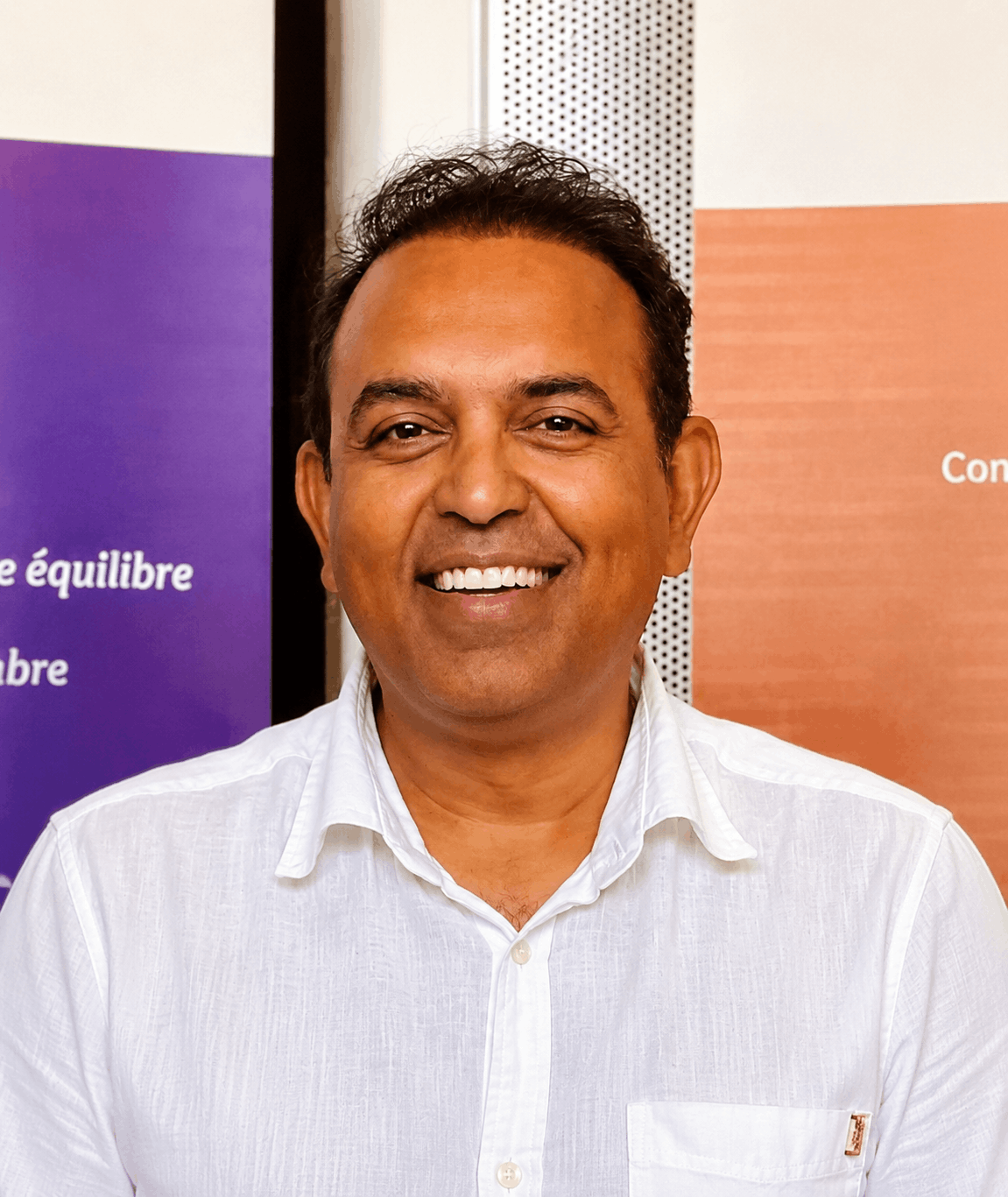
About Yogeet Kapoor
Vaidya (Ayurvedic Physician, India) & Federally Qualified Naturopath
ASCA & RME Certified · Health Insurance Recognized
Yogeet Kapoor is a Vaidya (Ayurvedic physician, India) and a Swiss federally qualified naturopath specialising in Ayurvedic medicine.
At L’essencce in Nyon, he offers individualised Ayurvedic support for perimenopause and menopause, with attention to sleep, energy, digestion, constitution and lifestyle.
Menopause & Ayurveda Consultation in Nyon
L’essencce – Centre for Ayurvedic Medicine, Naturopathy and Complementary Therapies is located in Nyon, in the heart of La Côte.
Consultations and treatments take place at the centre in Nyon and are accessible to patients from Gland, Rolle, Morges, Coppet and Versoix, as well as the wider Geneva–Lausanne and Lake Geneva region and French-speaking Switzerland.
L’essencce – Nyon, La Côte
Book an Appointment at L’essencce
Are hot flushes, disturbed sleep, fatigue or cycle changes affecting your daily life?
A first Ayurvedic consultation in Nyon can help identify your main priorities and build a personalised complementary approach for the menopausal transition.
Book your first Ayurvedic consultation