AYURVEDA & WOMEN’S HEALTH
Amenorrhoea, Absence of Periods & Ayurveda in Nyon
Amenorrhoea means the absence of menstruation when periods would normally be expected. Its causes may be physiological, hormonal, metabolic, nutritional or gynaecological. At L’essencce in Nyon, Ayurveda is offered as a personalised complementary approach after or alongside appropriate investigation of the underlying cause.

UNDERSTANDING & AYURVEDIC PERSPECTIVE
Understanding Amenorrhoea
Primary amenorrhoea refers to menstruation not having started by the expected age, while secondary amenorrhoea describes the disappearance of periods in someone who previously menstruated.
Amenorrhoea is therefore not a single disease but a symptom with different possible causes. In secondary amenorrhoea, pregnancy should first be excluded. Other causes may include PCOS, significant weight changes, low energy intake, intensive exercise, stress, thyroid or other hormonal disorders, ovarian insufficiency, medications and the transition towards menopause.
Why Can Periods Stop?
The menstrual cycle depends on coordinated communication between the brain, pituitary gland and ovaries, together with adequate nutritional and metabolic conditions. Disruption of this system can interfere with ovulation and menstruation.
For this reason, amenorrhoea associated with PCOS and metabolic features must be distinguished from absent periods linked to weight loss, restrictive eating, intensive athletic training, significant stress or reduced ovarian function.
Understanding Amenorrhoea According to Ayurveda
In Ayurveda, amenorrhoea is not automatically attributed to one single imbalance. Assessment may focus particularly on Apana Vata, the downward-moving function of Vata (the Ayurvedic principle of movement) associated with pelvic and menstrual functions, and Artava, an Ayurvedic concept related to female reproductive function and the menstrual cycle.
The overall presentation helps differentiate patterns. Vata may be particularly relevant where irregularity, weight loss or exhaustion predominate; Kapha (structure and stability) may be considered in some patterns of heaviness or metabolic slowing; and Pitta (transformation) may be relevant according to associated features. Agni (digestive and metabolic capacity), nutritional status and, when appropriate, Ama (an Ayurvedic concept referring to incompletely processed metabolic material) may also form part of the assessment.
AYURVEDIC APPROACH
The Ayurvedic Approach to Amenorrhoea
01
Step 01
Understanding Your Menstrual History & Associated Factors
The consultation reviews age at first menstruation, previous cycle regularity, duration of absent periods, weight changes, nutrition, physical activity, stress, sleep and associated hormonal or metabolic symptoms. Previous medical investigations are also important, particularly in the context of PCOS, thyroid disorders, hyperprolactinaemia, ovarian insufficiency or a fertility plan.
02
Step 02
Individual Ayurvedic Assessment
Assessment may include Prakriti (individual constitution), Vikriti (current imbalance), Apana Vata, the Doshas, Agni, digestion, bowel function, nutritional status and previous menstrual patterns. This differentiation is important because absent periods associated with low energy availability and weight loss require a very different strategy from amenorrhoea occurring alongside metabolic features of PCOS.
03
Step 03
Nutrition, Energy & Lifestyle
The nutritional strategy depends directly on the underlying context. When periods stop in association with insufficient food intake, weight loss or excessive physical training, restoring adequate energy and nutritional intake may be a priority rather than recommending restriction or “detoxification”. When amenorrhoea occurs alongside PCOS or another metabolic pattern, meal rhythm, food quality, physical activity and sleep may need a different approach. Ahara (nutrition) and Vihara (lifestyle guidance) are therefore individualised according to the cause and constitution.
04
Step 04
Herbal Medicine & Ayurvedic Therapies
Depending on the assessment, selected Ayurvedic formulations may be considered after checking medications, contraindications and possible interactions. The objective is not simply to “bring the period back” without understanding why menstruation has stopped. Therapies such as Abhyanga (Ayurvedic oil massage) or other supportive treatments may be selected according to the individual pattern, particularly when Vata, fatigue or stress are prominent. More specialised procedures require a specific indication.
05
Step 05
Basti, Uttara Basti & Panchakarma
Basti (therapeutic Ayurvedic administration via the rectal route) traditionally has an important role in Vata-related management, but it is not routinely indicated for every case of amenorrhoea. Uttara Basti refers in classical Ayurveda to certain therapeutic administrations through the genitourinary route. It is an invasive procedure requiring a specific indication, an appropriate professional setting, strict hygiene and aseptic precautions, and careful exclusion of contraindications. Panchakarma (a group of classical Ayurvedic therapeutic cleansing procedures) is considered only after evaluating the cause of amenorrhoea, nutritional status, Agni, general strength and contraindications.
Different Causes Require Different Strategies
Amenorrhoea clearly illustrates why one diagnosis does not equal one Ayurvedic protocol. PCOS, low energy availability, significant stress, endocrine disorders, ovarian insufficiency and the transition towards menopause are medically different situations.
Ayurvedic care therefore does not replace a gynaecological or endocrinological assessment. It may be integrated as complementary care once the situation has been appropriately investigated.
FAQ
Frequently Asked Questions
What is amenorrhoea?
Amenorrhoea means the absence of menstrual periods. It is called primary amenorrhoea when menstruation has not started and secondary amenorrhoea when periods stop after previously being present.
Why have my periods stopped?
Pregnancy should first be excluded. Other possible causes include PCOS, stress, significant weight loss or gain, low energy intake, intensive exercise, thyroid or hormonal disorders and perimenopause.
Can stress or weight loss stop periods?
Yes. Significant physical or psychological stress, restrictive eating, weight loss or high exercise loads can disrupt hormonal signals involved in ovulation and menstruation.
How does Ayurveda understand amenorrhoea?
Ayurveda may consider Apana Vata, Artava, Agni, nutritional status and the individual Dosha pattern. This traditional assessment complements but does not replace investigation of the medical cause.
Can Ayurveda support amenorrhoea associated with PCOS?
Yes, as complementary care. In PCOS-related amenorrhoea, support may focus on nutrition, metabolic health, activity, sleep and menstrual patterns alongside gynaecological or endocrinological follow-up.
What diet is recommended when periods are absent?
There is no single diet for amenorrhoea. Someone with weight loss or low energy availability should avoid unnecessary restriction, while PCOS-associated amenorrhoea may require a different nutritional strategy based on metabolic health.
Is Panchakarma used to bring periods back?
Not routinely. Panchakarma should not simply be used to trigger menstruation. The cause of amenorrhoea, nutritional status, Agni, general strength and contraindications should first be assessed.
When should absent periods be medically investigated?
Persistent or unexplained absence of menstruation warrants medical assessment, especially with pelvic pain, hormonal symptoms, major weight change, nipple discharge, unusual headaches or a desire to conceive.

About Yogeet Kapoor
Vaidya (Ayurvedic Physician, India) & Swiss Federally Qualified Naturopath in Ayurvedic Medicine
Recognised by RME, ASCA, APTN, NVS & Swiss Health Insurances
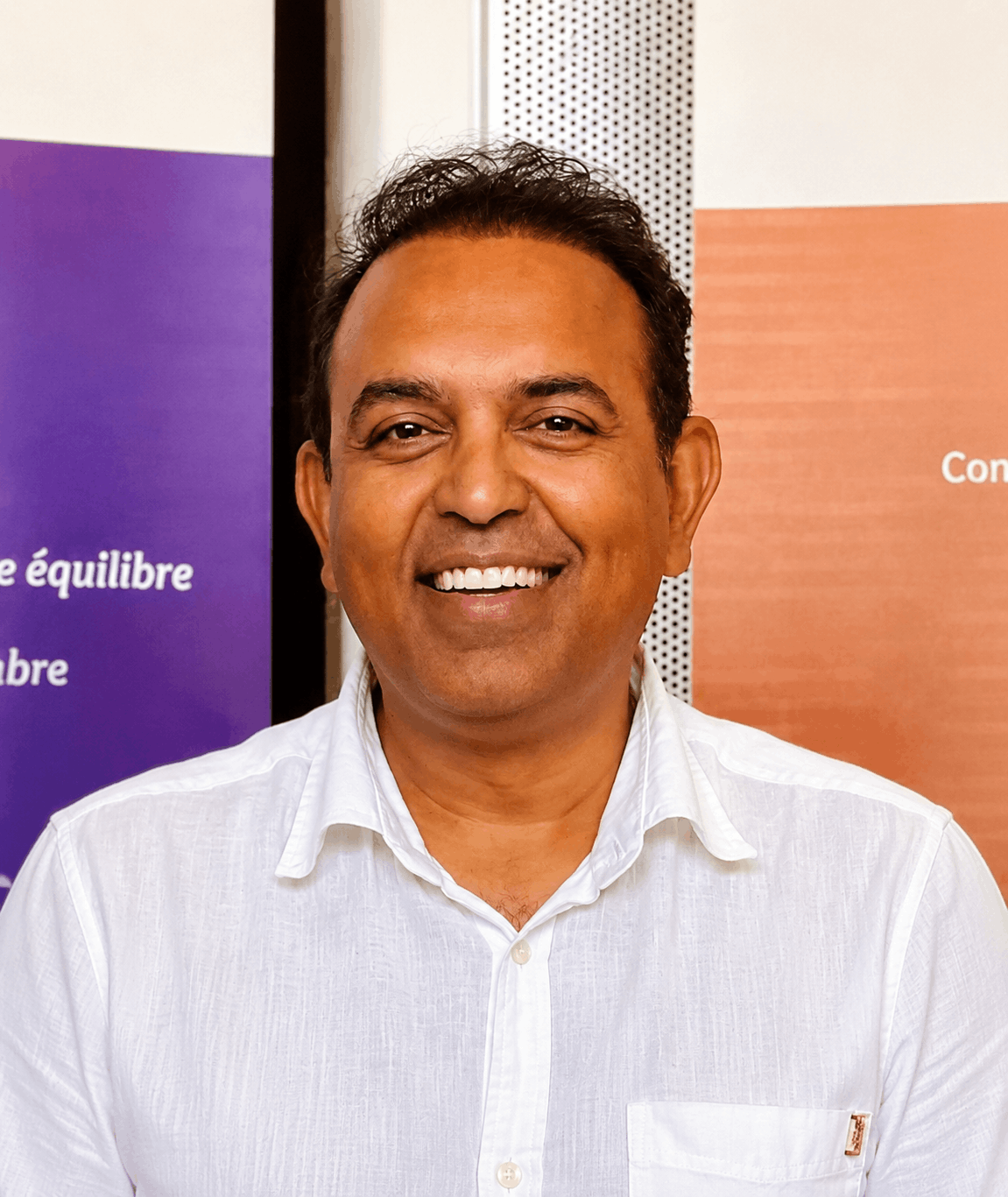
Yogeet Kapoor is a Vaidya (Ayurvedic physician, India) and a Swiss federally qualified naturopath specialising in Ayurvedic medicine.
At L’essencce in Nyon, he offers individualised Ayurvedic assessment of the menstrual cycle, constitution, digestion, nutrition and lifestyle alongside appropriate conventional medical care.
Amenorrhoea Consultation in Nyon
L’essencce – Centre for Ayurvedic Medicine, Naturopathy and Complementary Therapies is located in Nyon, in the heart of La Côte.
Consultations take place in Nyon and are also accessible to patients travelling from Gland, Rolle, Morges, Coppet and Versoix, as well as from the wider Geneva–Lausanne and Lake Geneva region and French-speaking Switzerland.
Persistent amenorrhoea should first be appropriately assessed. Ayurvedic support can then be adapted to the identified cause, nutritional status, constitutional terrain, menstrual history and current medical treatments.
L’essencce – Nyon, La Côte
Book an Appointment at L’essencce
Have your periods stopped or become unexpectedly absent? A first Ayurvedic consultation in Nyon can assess your menstrual history, nutrition, metabolism and individual constitution to help define an appropriate complementary approach.
Book your first Ayurvedic consultation