AYURVEDA & WOMEN’S HEALTH
Uterine Fibroids & Polyps — Ayurveda in Nyon
Uterine fibroids and uterine polyps are two different gynaecological conditions that may be associated with heavy periods, irregular bleeding, pelvic pressure or pain. At L’essencce in Nyon, Ayurvedic medicine offers personalised complementary support alongside appropriate gynaecological diagnosis and follow-up.
UNDERSTANDING & AYURVEDIC PERSPECTIVE
Understanding Uterine Fibroids & Polyps
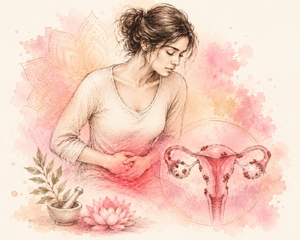
A uterine fibroid, or myoma, is a benign growth arising from the muscular wall of the uterus. Depending on its size and location, it may be submucosal, intramural or subserosal and can contribute to heavy or prolonged periods, pelvic pressure, pain, abdominal enlargement or urinary symptoms.
An endometrial or uterine polyp develops from the inner lining of the uterus. Polyps may be found incidentally or may be associated with bleeding between periods, irregular menstruation, heavy periods or bleeding after intercourse. Both conditions require appropriate gynaecological assessment.
Fibroid or Polyp: What Is the Difference?
A fibroid develops mainly from the muscular tissue of the uterus, while a polyp develops from the endometrium, the inner lining of the uterine cavity. Their location, behaviour and medical management are therefore different.
Ultrasound and, when indicated, hysteroscopy help determine the type and location of the lesion. This distinction is particularly important in women with heavy bleeding, iron deficiency, anaemia or fertility concerns.
Understanding Fibroids & Polyps According to Ayurveda
There is no direct one-to-one equivalence between a medically diagnosed fibroid or polyp and a single Ayurvedic condition. The concept of Granthi (a nodular or localised mass) may be considered in some traditional Ayurvedic assessments, without assuming that every fibroid or polyp is simply a Granthi.
Depending on the presentation, Kapha (structure and stability) may be considered when tissue accumulation or growth predominates; Vata (movement) when pain, irregularity or distension are present; and Pitta (transformation and heat) when bleeding or heat-related features are more prominent. Agni (digestive and metabolic capacity) and, when relevant, Ama (an Ayurvedic concept referring to incompletely processed metabolic material) may also form part of the assessment.
AYURVEDIC APPROACH
The Ayurvedic Approach to Uterine Fibroids & Polyps
01
Step 01
Understanding the Lesion, Menstrual Cycle & Symptoms
The consultation considers the known size and location of the fibroid or polyp, menstrual pattern, amount of bleeding, pelvic pain, pressure symptoms and the impact on daily life.
Ultrasound findings, hysteroscopy results, blood tests and gynaecological recommendations are important in adapting complementary care and avoiding unnecessary delay of surveillance or intervention.
02
Step 02
Individual Ayurvedic Assessment
Assessment may include Prakriti (individual constitution), Vikriti (current imbalance), Vata, Pitta, Kapha, Agni, digestion, bowel function, weight, energy levels and menstrual characteristics.
A woman with a small asymptomatic fibroid has very different priorities from someone experiencing very heavy periods, fatigue and iron deficiency, or a patient whose polyp was discovered during fertility investigations.
03
Step 03
Nutrition, Digestion & Nutritional Balance
Nutrition is adapted to the individual terrain, digestion, bowel habits and menstrual pattern. When heavy or prolonged bleeding is present, nutritional status, iron levels and the risk of anaemia require particular attention.
Ahara (nutrition) should not simply aim to “reduce Kapha”. The priority is to support the patient without unnecessary dietary restriction, especially when fatigue, iron deficiency or reduced nutritional reserves are present.
04
Step 04
Ayurvedic Herbal Medicine & Therapies
Individualised Ayurvedic herbal formulations may be considered according to constitution, symptoms and current medication. They should not be presented as treatments guaranteed to “dissolve” or eliminate a fibroid or polyp.
Depending on the assessment, selected body therapies may complement care. Abhyanga (Ayurvedic oil massage), local applications or Svedana (therapeutic fomentation/sweating) are not automatically appropriate, particularly in the presence of heavy active bleeding or other contraindications.
05
Step 05
Panchakarma, Basti & Specific Ayurvedic Approaches
Panchakarma (a group of classical Ayurvedic therapeutic cleansing procedures) is not a routine treatment for uterine fibroids or polyps. Any indication depends on the individual constitution, Agni, general strength, menstrual cycle and gynaecological context.
Basti (therapeutic Ayurvedic administration via the rectal route) may be considered in selected patterns where Vata is clinically relevant, but it should not be presented as a direct treatment for the anatomical lesion itself. More specialised procedures require a detailed individual assessment and appropriate safety considerations.
Complementary Care Depends on the Type of Lesion
A submucosal fibroid, subserosal fibroid, endometrial polyp or cervical polyp does not represent the same medical situation. The number, size and location of lesions, amount of bleeding, age, symptoms and pregnancy plans directly influence the priorities of care.
Ayurvedic medicine therefore remains individualised and complementary to gynaecological monitoring, imaging and any medical or surgical treatment recommended when necessary.
FAQ
Frequently Asked Questions
What is the difference between a uterine fibroid and a uterine polyp?
A fibroid is a benign growth arising from the muscular wall of the uterus, while a polyp develops from the endometrial lining. Their location, symptoms and medical management are different.
What symptoms can uterine fibroids cause?
Fibroids may cause heavy or prolonged periods, pelvic pressure, pain, abdominal enlargement or urinary symptoms. Many fibroids, however, remain completely asymptomatic.
What symptoms can suggest an endometrial polyp?
Polyps may cause bleeding between periods, irregular or heavy menstruation and sometimes bleeding after intercourse. Any bleeding after menopause should always be medically evaluated.
Can fibroids or polyps cause iron deficiency or anaemia?
Yes. When they cause heavy or prolonged menstrual bleeding, iron stores may fall and anaemia may develop. Fatigue, pallor, shortness of breath or dizziness warrant medical assessment.
Can Ayurveda make a fibroid or polyp disappear?
It is not appropriate to guarantee that Ayurveda can eliminate a fibroid or polyp. The aim is rather to provide individualised support for the constitutional terrain, menstrual cycle, nutrition and associated symptoms alongside medical follow-up.
Can fibroids or polyps affect fertility?
Yes, in some cases. Their effect depends particularly on size and location within or around the uterine cavity. Their relevance should be assessed by a gynaecologist or fertility specialist.
When should heavy bleeding be assessed urgently?
Very heavy bleeding associated with faintness, dizziness, marked weakness, shortness of breath or pallor requires prompt medical assessment. Any bleeding after menopause should also always be investigated.
Can Ayurveda be combined with conventional treatment for fibroids or polyps?
Yes. Ayurvedic care may be used as complementary support, but gynaecological monitoring, hormonal treatment, hysteroscopy or recommended procedures should not be stopped or delayed without medical advice.
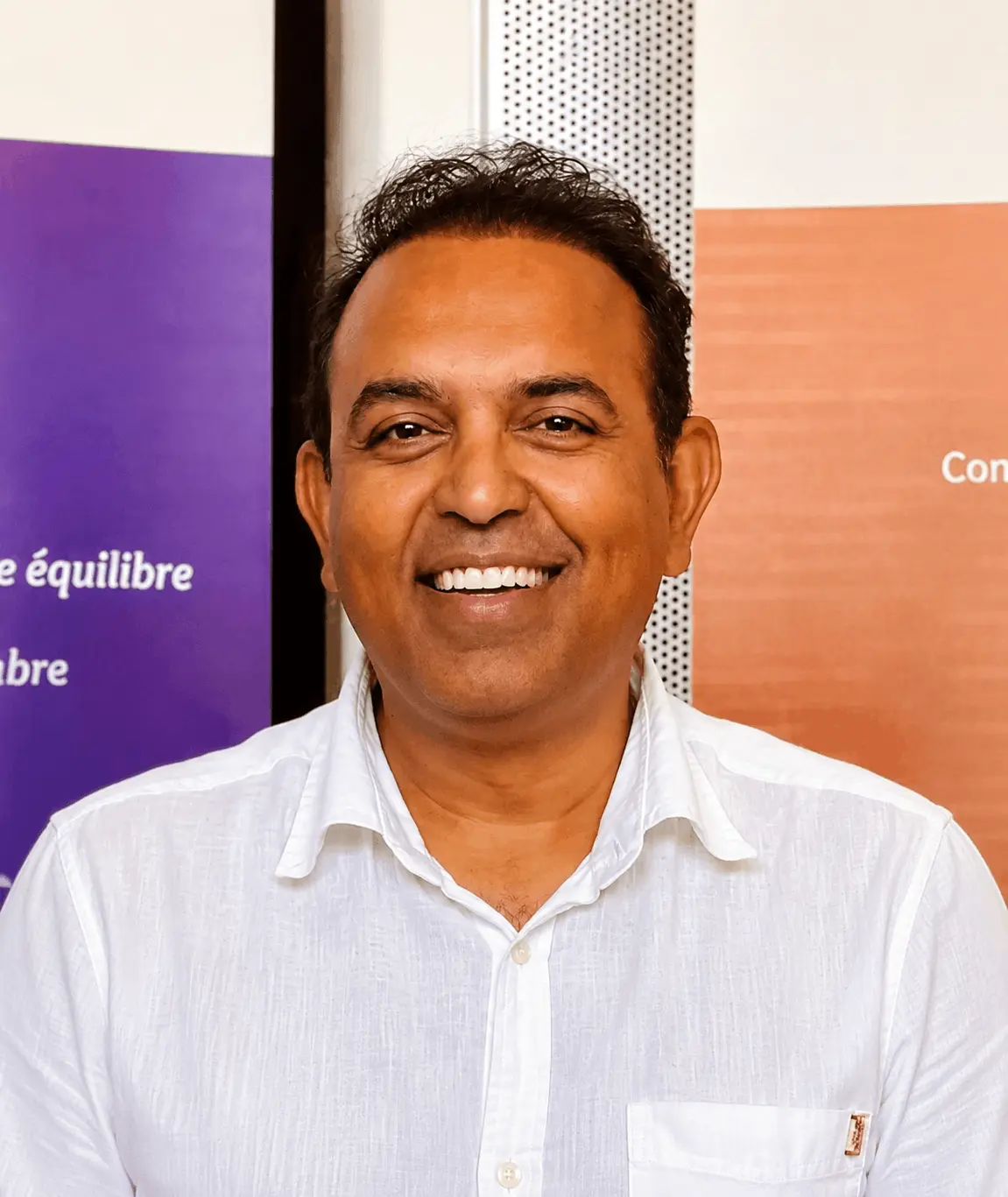
About Yogeet Kapoor
Vaidya (Ayurvedic Physician, India) & Swiss Federally Qualified Naturopath in Ayurvedic Medicine
Recognised by RME, ASCA, APTN, NVS & Swiss Health Insurances
Yogeet Kapoor is a Vaidya (Ayurvedic physician, India) and a Swiss federally qualified naturopath specialising in Ayurvedic medicine.
At L’essencce in Nyon, he offers personalised Ayurvedic assessment of the menstrual cycle, bleeding pattern, digestive and metabolic terrain and lifestyle alongside appropriate gynaecological care.
Uterine Fibroids & Polyps Consultation in Nyon
L’essencce – Centre for Ayurvedic Medicine, Naturopathy and Complementary Therapies is located in Nyon, in the heart of La Côte. Consultations and treatments take place at the centre in Nyon.
The centre is also accessible to patients from Gland, Rolle, Morges, Coppet and Versoix, as well as from the wider Geneva–Lausanne and Lake Geneva region and French-speaking Switzerland.
L’essencce – Nyon, La Côte
Book an Appointment at L’essencce
Are fibroids or polyps affecting your menstrual cycle, bleeding, pelvic comfort or fertility plans? A first Ayurvedic consultation in Nyon can assess your individual constitution and symptoms and help define a complementary approach adapted to your gynaecological follow-up.
Book your first Ayurvedic consultation in Nyon