AYURVEDA & RHEUMATOLOGY
Rheumatology & Joint Disorders with Ayurveda in Nyon
Individualized Ayurvedic approach for joint pain, stiffness and rheumatic conditions
Rheumatic and joint disorders can cause joint pain, stiffness, inflammation, reduced mobility, neck pain or lower back pain, affecting the joints, muscles, tendons, ligaments or spine. They include conditions such as osteoarthritis, rheumatoid arthritis, inflammatory rheumatic disorders, tendonitis and chronic musculoskeletal pain. At L’essencce – Centre for Ayurvedic Medicine in Nyon, Switzerland, Ayurveda offers an individualized and complementary approach to joint and musculoskeletal disorders, taking into consideration the medical diagnosis when available, the location and progression of symptoms, mobility and the person’s overall health.
In Ayurvedic medicine, the management of osteoarthritis, joint pain and rheumatic disorders begins with an individual Ayurvedic assessment. This considers the person’s constitution (Prakriti), current imbalances (Vikriti), the Doshas — particularly Vata, but also Pitta and Kapha depending on the presentation — as well as Agni, the possible presence of Ama and the tissues involved. The assessment helps establish an individualized strategy that may combine nutrition and dietary advice, lifestyle adjustments, appropriate physical activity, Ayurvedic formulations and therapies, according to individual needs and contraindications. Located in Nyon, L’essencce provides Ayurvedic care for people seeking a complementary approach to joint pain, arthritis and rheumatic conditions in the Lake Geneva region and French-speaking Switzerland.
Osteoarthritis & joint pain
Stiffness & inflammation
Individualized Ayurvedic care in Nyon
L’essencce Nyon
Ayurvedic Medicine & Naturopathy
CLINICAL UNDERSTANDING & AYURVEDA
Understanding Joint & Rheumatic Conditions
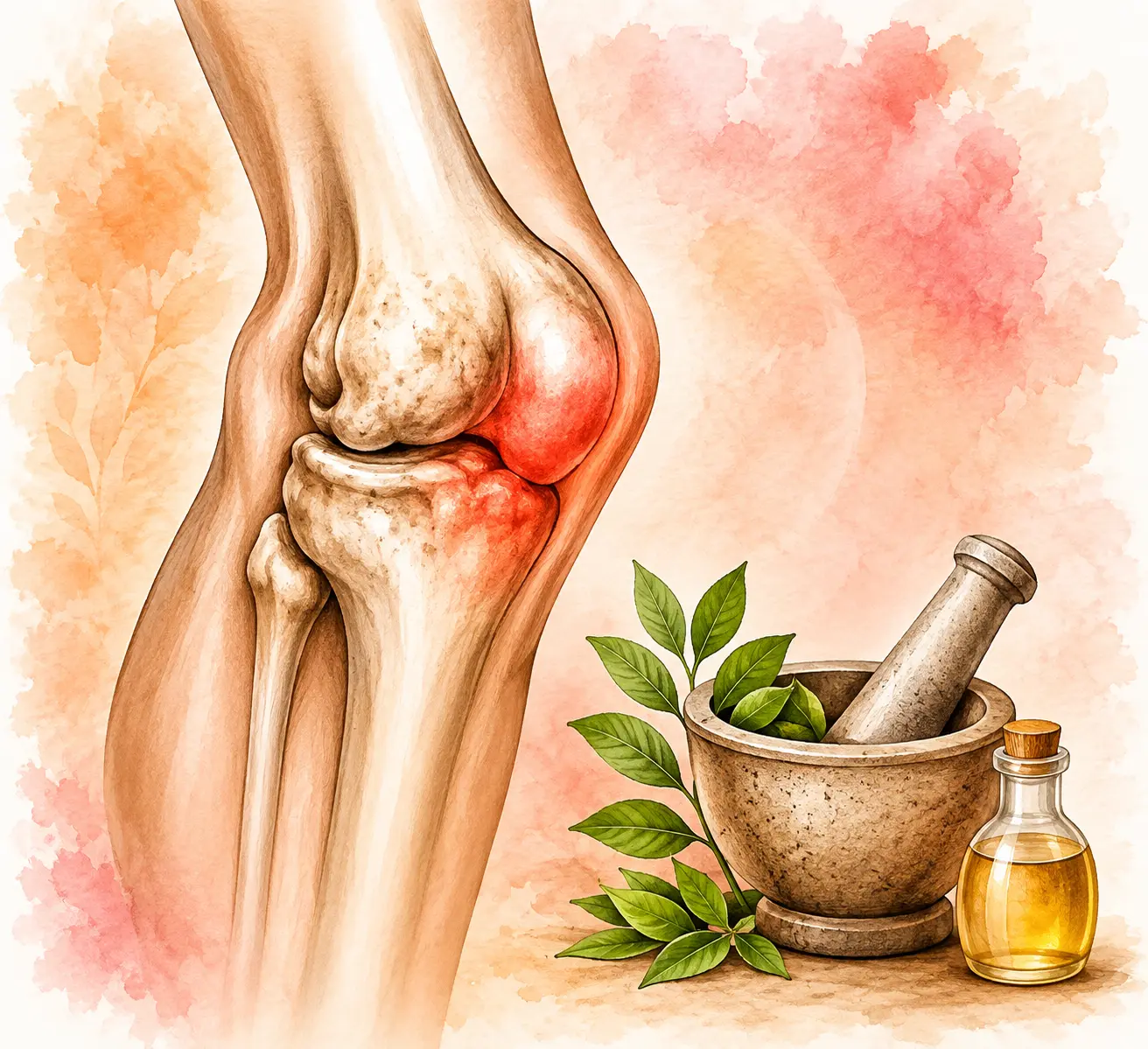
Joint and rheumatic disorders are among the most common causes of chronic pain and mobility restriction. They can affect the synovial joints (such as the knees, hips, hands and shoulders), the intervertebral discs and vertebrae of the spine, as well as surrounding soft tissues like tendons, bursae and ligaments.
Biomedicine distinguishes degenerative conditions like osteoarthritis (cartilage wear, osteophytes and subchondral changes) from autoimmune inflammatory diseases like rheumatoid arthritis, axial spondyloarthritis or psoriatic arthritis, as well as localized mechanical or repetitive strain issues such as tendinopathies, cervicalgia, and sciatica.
Understanding Joint Pain in Ayurvedic Medicine
In classical Ayurveda, musculoskeletal disorders are assessed through a sophisticated constitutional framework rather than a single label:
- Vata Dosha & Asthi Dhatu: Vata governs movement, dryness, and catabolism. An excess of Vata is typically associated with cartilage drying, degeneration, crepitus, cracking, coldness, and stiffness (e.g. Sandhigata Vata, comparable to osteoarthritis).
- Pitta Dosha & Inflammation: When an acute burning sensation, warmth, erythema (redness), and active inflammation predominate, Pitta is deeply involved, requiring cooling and anti-inflammatory strategies.
- Ama & Amavata: When digestive metabolic capacity (Agni) is impaired, sticky undigested endotoxins (Ama) can accumulate and combine with Vata to migrate into synovial tissues (Amavata), presenting as heavy, migratory, stiff and swollen joints.
- Kapha Dosha & Shleshaka Kapha: Shleshaka Kapha lubricates the joint capsule and synovial fluid. An imbalance can lead to fluid accumulation, swelling and heaviness.
Different Joint Conditions Require Completely Different Strategies
In Ayurveda, a red, burning, acutely swollen joint is never treated with hot compresses or warming vigorous massages. Conversely, a chronic, cold, dry, degenerative osteoarthritis requires deep nourishing oleation (Snehana) and gentle heat therapies. Personalized care avoids one-size-fits-all remedies and is strictly adapted to your medical stage, symptoms, and existing pharmaceutical treatments.
CONDITIONS ACCOMPANIED
Conditions & Symptoms Supported at L’essencce
Ayurveda provides an individualized complementary framework alongside conventional rheumatology and physiotherapy for various musculoskeletal conditions:
Osteoarthritis (Arthrose)
Complementary support for knee (gonarthrosis), hip (coxarthrosis), spine and finger osteoarthritis. Focuses on reducing morning stiffness, easing movement, and nourishing Asthi Dhatu (bone tissue).
Rheumatoid Arthritis & Inflammatory Rheumatisms
Integrated alongside your rheumatologist’s disease-modifying treatments. Addresses metabolic endotoxins (Ama), digestion (Agni), systemic inflammation and immune balance without stopping prescription drugs.
Back Pain, Sciatica & Cervicalgia
Support for chronic lower back pain (lumbago), cervical tension, spinal stiffness, and sciatic nerve discomfort through specialized therapies like Kati Basti and Greeva Basti.
Tendinopathies & Frozen Shoulder
Relief for shoulder periarthritis (frozen shoulder), epicondylitis (tennis elbow), tendinitis, and soft tissue tightness to restore range of motion and joint resilience.
AYURVEDIC APPROACH
The Pillars of Ayurvedic Joint Care at L’essencce
Our structured clinical protocol in Nyon combines traditional Ayurvedic wisdom with Swiss complementary medical rigor:
In-Depth Constitutional Assessment (Prakriti & Vikriti)
Comprehensive evaluation of Dosha involvement (Vata, Pitta, Kapha), metabolic fire (Agni), presence of metabolic wastes (Ama), tissue vitality (Asthi & Majja Dhatu), together with your medical history and imaging reports.
Anti-Inflammatory Nutrition & Lifestyle (Ahara & Vihara)
Tailored dietary recommendations reducing inflammatory and heavy foods, promoting warm, light, easily digestible meals, spices, hydration and gentle, joint-protective physical movement routines.
Targeted External Therapies (Basti, Swedana, Pizhichil)
Application of warm herbalized medicated oils through Janu Basti (knee pool therapy), Kati Basti (lumbar oil reservoir), Greeva Basti (cervical spine therapy), Pinda Swedana (warm herbal boluses), and Nadi Swedana (localized herbal steam).
Ayurvedic Formulations & Herbs (Shallaki, Haridra)
Evidence-informed herbs such as Shallaki (Boswellia serrata), Haridra (curcumin), Guggulu and Ashwagandha, rigorously screened for interactions with NSAIDs, corticosteroids, anticoagulants, or immunosuppressants.
Complementary Therapies (ACMOS Bioenergy & Leech Therapy)
Where clinically indicated, ACMOS bioenergy can rebalance meridian flow and cellular vitality, while Jalaukavacharana (medicinal leech therapy) provides localized decongestion for stubborn chronic joint pain.
AYURVEDIC PHYSICIAN & NATUROPATH
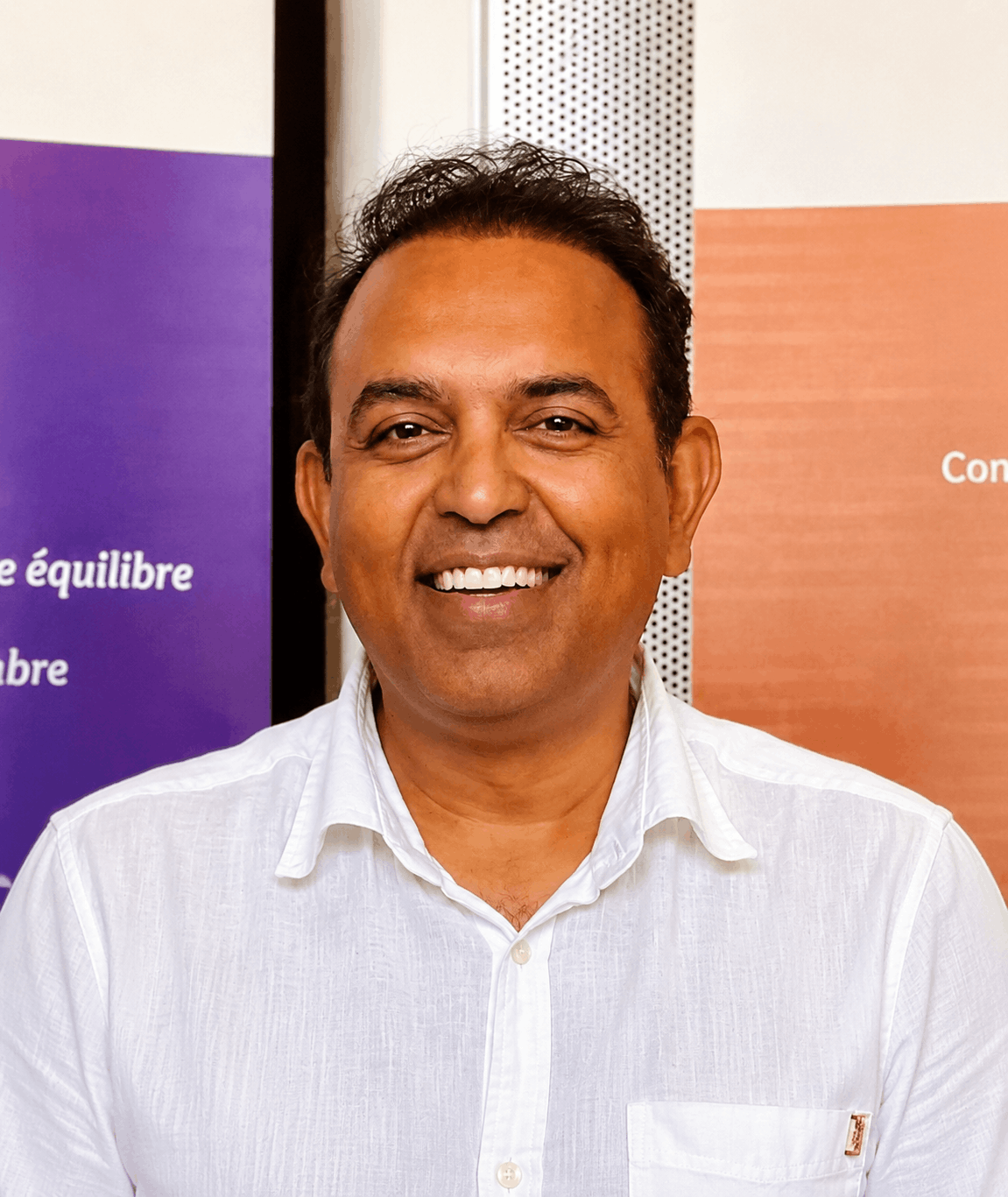
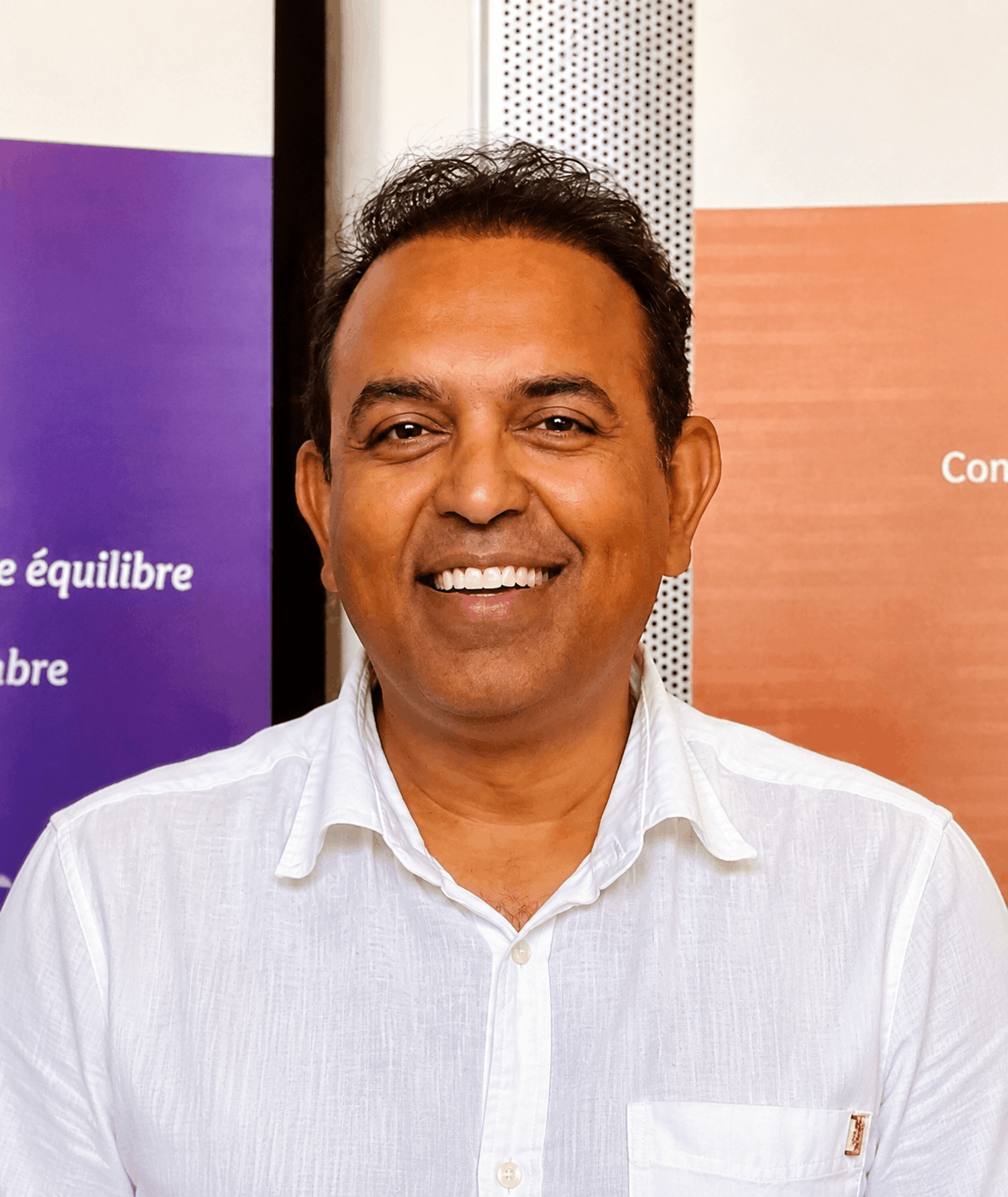
About Vaidya Yogeet Kapoor
Vaidya (Ayurvedic Physician, India) & Swiss Federally Qualified Naturopath in Ayurvedic Medicine
20+ Years Experience
Yogeet Kapoor is a Vaidya (Ayurvedic physician, India) and a Swiss federally qualified naturopath in Ayurvedic medicine with over two decades of clinical experience.
At L’essencce in Nyon, he provides rigorous, individualized complementary care for patients suffering from osteoarthritis, chronic joint stiffness, back pain, and rheumatic conditions, working with utmost respect for medical and rheumatological treatments.
Recognized Complementary Insurances
Recognised by RME, ASCA, APTN, NVS & Swiss Complementary Health Insurances
L’essencce – Nyon, La Côte
Rheumatology & Joint Care in Nyon
L’essencce – Centre for Ayurvedic Medicine, Naturopathy and Complementary Therapies is conveniently located in Nyon, between Geneva and Lausanne.
The centre is easily accessible to patients travelling from Gland, Rolle, Morges, Coppet and Versoix, as well as from the broader Lake Geneva region and French-speaking Switzerland (Suisse romande).
Every protocol is tailored to the individual’s physical constraints, medical findings, and mobility goals, offering a serene, professional environment for your health recovery.
L’essencce — Centre Ayurvédique
Nyon · La Côte · Vaud · Suisse
Important: Ayurvedic care is complementary and does not replace medical diagnosis, rheumatological follow-up, physiotherapy or prescribed treatment when these are clinically indicated.
FAQ — Rheumatology, Joint Pain & Ayurveda
Answers to frequent questions about Ayurvedic joint care, osteoarthritis, inflammation, medications, and treatments in Nyon.
Which rheumatic and joint conditions can be supported with Ayurveda?
Ayurveda may be used as a complementary approach for osteoarthritis, neck and lower-back pain, sciatica, tendinopathies, frozen shoulder and other musculoskeletal pain or stiffness. For inflammatory rheumatic diseases such as rheumatoid arthritis, Ayurvedic care should be integrated with appropriate medical and rheumatological follow-up.
Can Ayurveda help with joint pain and inflammation?
Ayurveda may complement the management of joint pain, stiffness, inflammation and reduced mobility. The assessment considers the symptoms, Dosha involvement, Agni, possible Ama, diet and lifestyle. A joint that is acutely painful, red, hot, significantly swollen or affected by unexplained inflammation requires medical evaluation.
Can Ayurveda help with osteoarthritis?
Ayurveda may complement osteoarthritis care, particularly for joint pain, stiffness and reduced mobility. Ayurvedic assessment often considers Vata and Asthi Dhatu (bone tissue within the Ayurvedic tissue model), together with digestion, physical activity and individual constitution. Ayurveda does not claim to regenerate damaged cartilage.
What natural approach can be considered for joint inflammation?
A natural approach to joint inflammation should first consider its underlying cause. From an Ayurvedic perspective, Vata, Pitta, Kapha, Agni and possible Ama may be assessed before selecting diet, formulations or local therapies. Heat and oil-based treatments are not automatically appropriate for an acutely hot or inflamed joint.
Can Ayurveda support rheumatoid arthritis?
Yes. Ayurveda may be incorporated as complementary care alongside rheumatological treatment for rheumatoid arthritis. The Ayurvedic concept of Amavata shares certain characteristics with inflammatory joint disorders but is not a biomedical equivalent of rheumatoid arthritis. Prescribed disease-modifying medication should not be stopped or changed without medical advice.
Why are my joints more painful or stiff in the morning?
Morning joint stiffness can occur with osteoarthritis and inflammatory rheumatic diseases, although its duration and characteristics may differ. Ayurveda additionally considers whether symptoms vary with cold, humidity, movement, sleep, digestion and other individual factors to help characterize the pattern of joint discomfort.
What diet is recommended for joint pain and inflammation in Ayurveda?
Ayurvedic nutrition for joint problems is individualized according to Prakriti, Vikriti, Agni, possible Ama, digestion, body weight and the characteristics of the symptoms. Depending on the assessment, herbs or spices such as Haridra (turmeric) or Shallaki (Boswellia) may also be considered, taking medication interactions and contraindications into account.
Which Ayurvedic treatments are used for joint pain and rheumatic conditions?
Depending on the assessment, therapies may include Abhyanga (oil massage), Snehana (oleation), Pinda Sweda, Pizhichil, Swedana/Nadi Swedana, and localized treatments such as Janu Basti, Kati Basti or Greeva Basti. In selected cases, Basti, Panchakarma or Jalaukavacharana (medicinal leech therapy) may also be considered.
Can ACMOS bioenergy be included in a joint pain-management programme?
At L’essencce, ACMOS bioenergy may be offered as a complementary approach within a broader pain-management programme. Within this energetic model, the assessment looks for disturbances in meridians and aims to support balanced circulation of vital energy, which may be compared conceptually with Prana in Ayurveda. It does not replace medical diagnosis or treatment.
Can Ayurvedic herbs and formulations be combined with my medication?
Not always. Ayurvedic herbs and formulations can interact with medicines, particularly anticoagulants, antiplatelet drugs, anti-inflammatory medicines, corticosteroids, immunosuppressants and disease-modifying rheumatology treatments. All medicines and supplements should therefore be disclosed, and prescribed treatment should not be changed without consulting the prescribing clinician.
Can Ayurveda be combined with rheumatology, physiotherapy and conventional medicine?
Yes. Ayurveda can form part of an integrative approach alongside medical diagnosis, rheumatological care, physiotherapy, appropriate physical activity and prescribed treatment. Ayurvedic assessment adds an individualized perspective on constitution, diet, lifestyle and patterns described within Ayurvedic medicine without replacing conventional diagnosis or necessary treatment.
Where can I receive Ayurvedic care for osteoarthritis, rheumatic conditions and joint pain in Nyon and French-speaking Switzerland?
L’essencce – Centre for Ayurvedic Medicine in Nyon provides individualized consultations and Ayurvedic therapies for joint pain, osteoarthritis and musculoskeletal conditions. The centre is accessible from La Côte, Gland, Rolle, Morges and Versoix, as well as from Geneva, Lausanne and the wider French-speaking Switzerland (Suisse romande) region. Consultations are provided by Yogeet Kapoor, Vaidya (Ayurvedic physician, India) and federally qualified Swiss Naturopath in Ayurvedic Medicine.
Book an Appointment at L’essencce in Nyon
Are you experiencing joint pain, stiffness, or osteoarthritis? An initial Ayurvedic consultation in Nyon can identify your constitutional imbalances, assess your symptoms, and design a customized complementary protocol.