AYURVEDA & WOMEN’S HEALTH
PCOS — Polycystic Ovary Syndrome & Ayurveda in Nyon
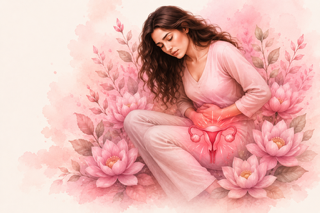
Polycystic ovary syndrome (PCOS) is a hormonal and metabolic condition that can affect menstruation, ovulation, skin, hair growth, metabolism and sometimes fertility. At L’essencce in Nyon, Ayurvedic medicine offers personalised complementary support focused on the menstrual cycle, metabolic health, nutrition and lifestyle.
UNDERSTANDING & AYURVEDIC PERSPECTIVE
Understanding PCOS
PCOS is a complex syndrome and can present very differently from one woman to another. It may involve long, irregular or absent menstrual cycles, ovulation disorders and signs of excess androgens, such as acne or increased facial or body hair.
Some women also experience insulin resistance, weight gain or difficulty conceiving, while others have a normal body weight and relatively few metabolic symptoms. Medical assessment is important to confirm the diagnosis and exclude other endocrine conditions.
PCOS Does Not Simply Mean “Cysts on the Ovaries”
Despite its name, PCOS is not simply the presence of ovarian “cysts”. The polycystic appearance seen on ultrasound usually refers to the presence of multiple small ovarian follicles, and this finding alone is not sufficient to diagnose PCOS.
PCOS more broadly involves ovulation, androgen activity and metabolic function. This is why two women with the same diagnosis may have very different symptoms and therapeutic priorities.
Understanding PCOS According to Ayurveda
Ayurveda does not reduce PCOS to one single Dosha imbalance. In profiles marked by heaviness, weight gain or slower metabolism, Kapha (the Ayurvedic principle of structure and stability) may be particularly relevant.
Irregular menstruation and ovulation may also bring attention to Vata (the principle of movement) and especially Apana Vata (the downward-moving function of Vata associated with pelvic and menstrual functions).
Pitta (the principle of transformation and heat) may be relevant when skin manifestations, inflammation-like features or heat predominate.
The Ayurvedic assessment may also consider Agni (digestive and metabolic capacity), Ama (an Ayurvedic concept referring to incompletely processed metabolic material) and Artava (an Ayurvedic concept related to female reproductive function). This traditional framework remains distinct from conventional hormonal and metabolic diagnosis.
AYURVEDIC APPROACH
The Ayurvedic Approach to PCOS
01
Step 01
Understanding Your Cycle, Metabolism & Symptoms
The consultation explores cycle length and regularity, ovulation, periods of amenorrhoea, changes in weight, appetite, digestion, physical activity, sleep and stress levels.
Acne, increased hair growth, hair loss, fatigue, food cravings and personal or family metabolic history may also provide useful information. Blood tests, ultrasound results and prescribed treatments are considered when available.
02
Step 02
Individual Ayurvedic Assessment
Assessment distinguishes Prakriti (individual constitution) from Vikriti (current imbalance) and may evaluate Vata, Pitta, Kapha, Apana Vata and Agni according to the woman’s actual presentation.
This individualisation is particularly important in PCOS. A lean woman with very irregular cycles, disturbed sleep and high stress may not need the same approach as someone with insulin resistance, weight gain and slower metabolic function.
03
Step 03
Nutrition & Metabolic Health
Nutrition is especially important when PCOS is associated with metabolic features. Recommendations may focus on meal quality and regularity, satiety, digestive tolerance and overall nutritional balance, rather than automatically prescribing a restrictive diet.
When insulin resistance has been identified, nutrition, physical activity and sleep become particularly important alongside appropriate medical follow-up. Ahara (nutrition) is therefore adapted to the individual metabolic profile and Agni rather than to the diagnosis of PCOS alone.
04
Step 04
Movement, Sleep & Daily Routine
Physical activity is adapted to metabolic health, constitution and energy levels. A sustainable approach combining regular movement, sufficient recovery and good-quality sleep is usually preferable to extreme or short-term changes.
Vihara (lifestyle guidance) also includes daily rhythm and stress management, particularly when stress is associated with disturbances in sleep, eating patterns or menstrual regularity.
05
Step 05
Ayurvedic Herbal Medicine & Therapies
Individualised Ayurvedic herbal formulations may be considered according to constitution, Agni, menstrual pattern and current treatments.
Special care is needed when the patient is taking metformin, hormonal contraception, fertility medication or other prescribed drugs.
Depending on the assessment, therapies such as Abhyanga (Ayurvedic oil massage), Udvartana (traditional massage using herbal powders) or other selected treatments may complement the plan. The same therapies are not appropriate for every PCOS profile.
06
Step 06
Panchakarma When Appropriate
Panchakarma (a group of classical Ayurvedic therapeutic cleansing procedures) is not automatically required in PCOS and should not be presented as a “hormonal detox”.
In selected patients, specific procedures may be considered after assessing constitution, Agni, nutritional state, metabolic profile, menstrual cycle, general strength, medications and contraindications.
Different PCOS Profiles Require Different Strategies
PCOS is a good example of why individualised care matters. Irregular cycles, hyperandrogenism, insulin resistance, weight gain, acne and ovulation difficulties may occur in very different combinations.
The aim of Ayurvedic support is therefore to work on modifiable lifestyle and constitutional factors, without claiming to eliminate PCOS or replace necessary gynaecological, endocrinological or metabolic care.
FAQ
Frequently Asked Questions
Does PCOS mean I have cysts on my ovaries?
Not necessarily in the usual sense of the word “cyst”. In PCOS, ultrasound may show multiple small ovarian follicles, but this finding is only one possible component of the diagnosis.
Can I have PCOS without being overweight?
Yes. PCOS can also occur in women who are lean or have a normal body weight. Hormonal profile, ovulation and metabolic health should therefore be assessed individually rather than focusing only on weight.
Why does PCOS cause irregular or absent periods?
PCOS can disrupt follicular development and ovulation. When ovulation becomes irregular or absent, menstruation may become infrequent, unpredictable or stop for several months.
What is the link between PCOS and insulin resistance?
Insulin resistance is present in some women with PCOS and may contribute to metabolic and hormonal disturbances. It is not present in every case and should be assessed individually.
What Ayurvedic diet is recommended for PCOS?
There is no universal “PCOS diet”. Recommendations depend on metabolic profile, Agni, body weight, appetite, physical activity and whether insulin resistance is present.
Can Ayurveda support acne or excess hair growth related to PCOS?
Ayurvedic support may include these symptoms within the broader assessment of hormonal, metabolic and skin-related patterns, but improvement cannot be guaranteed. Significant hyperandrogenism should also be medically evaluated.
PCOS and fertility: can I still become pregnant?
Yes. PCOS does not mean permanent infertility, but irregular ovulation can make conception more difficult. If pregnancy is desired, Ayurvedic care should remain complementary to appropriate gynaecological or fertility assessment.
Can Ayurveda be combined with metformin or hormonal treatment?
Yes, where appropriate. Metformin, hormonal contraception, ovulation-induction medication or other prescribed treatments should not be stopped or changed without the prescribing clinician’s approval.
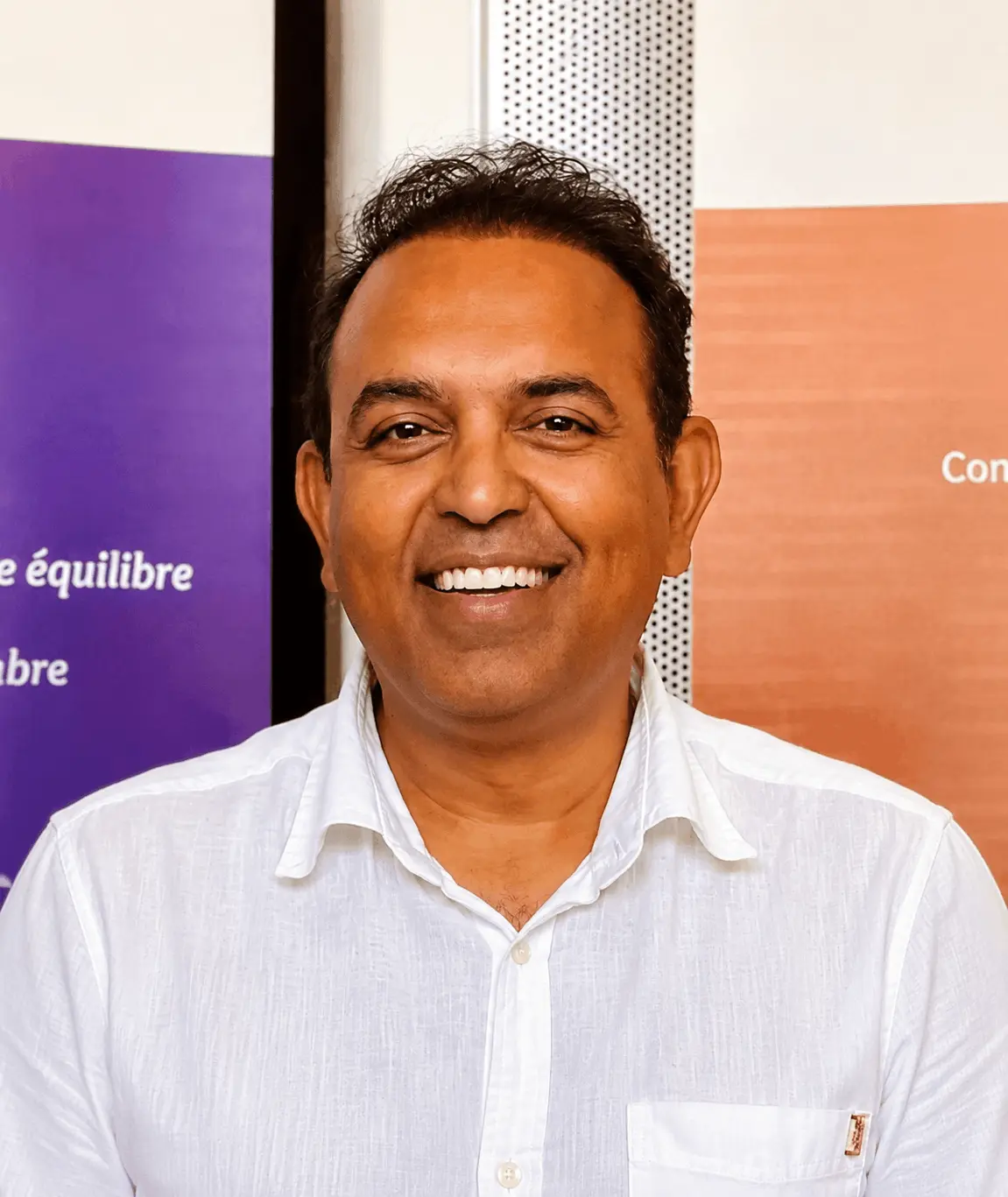
About Yogeet Kapoor
Vaidya (Ayurvedic Physician, India) & Swiss Federally Qualified Naturopath in Ayurvedic Medicine
Recognised by RME, ASCA, APTN, NVS & Swiss Health Insurances
Yogeet Kapoor is a Vaidya (Ayurvedic physician, India) and a Swiss federally qualified naturopath specialising in Ayurvedic medicine.
At L’essencce in Nyon, he provides individualised Ayurvedic assessment of the menstrual cycle, digestive and metabolic terrain, nutrition and lifestyle alongside appropriate medical care.
PCOS & Ayurveda Consultation in Nyon
L’essencce – Centre for Ayurvedic Medicine, Naturopathy and Complementary Therapies is located in Nyon, in the heart of La Côte, and offers personalised consultations for women seeking complementary support for PCOS.
Consultations and treatments take place in Nyon and are accessible to patients from Gland, Rolle, Morges, Coppet and Versoix, as well as the wider Geneva–Lausanne and Lake Geneva region and French-speaking Switzerland.
L’essencce – Nyon, La Côte
Book an Appointment at L’essencce
Are irregular periods, metabolic symptoms or other features of PCOS affecting your daily life? A first Ayurvedic consultation in Nyon can assess your overall profile and help build a personalised complementary approach.
Book your first Ayurvedic consultation