
13
Jul
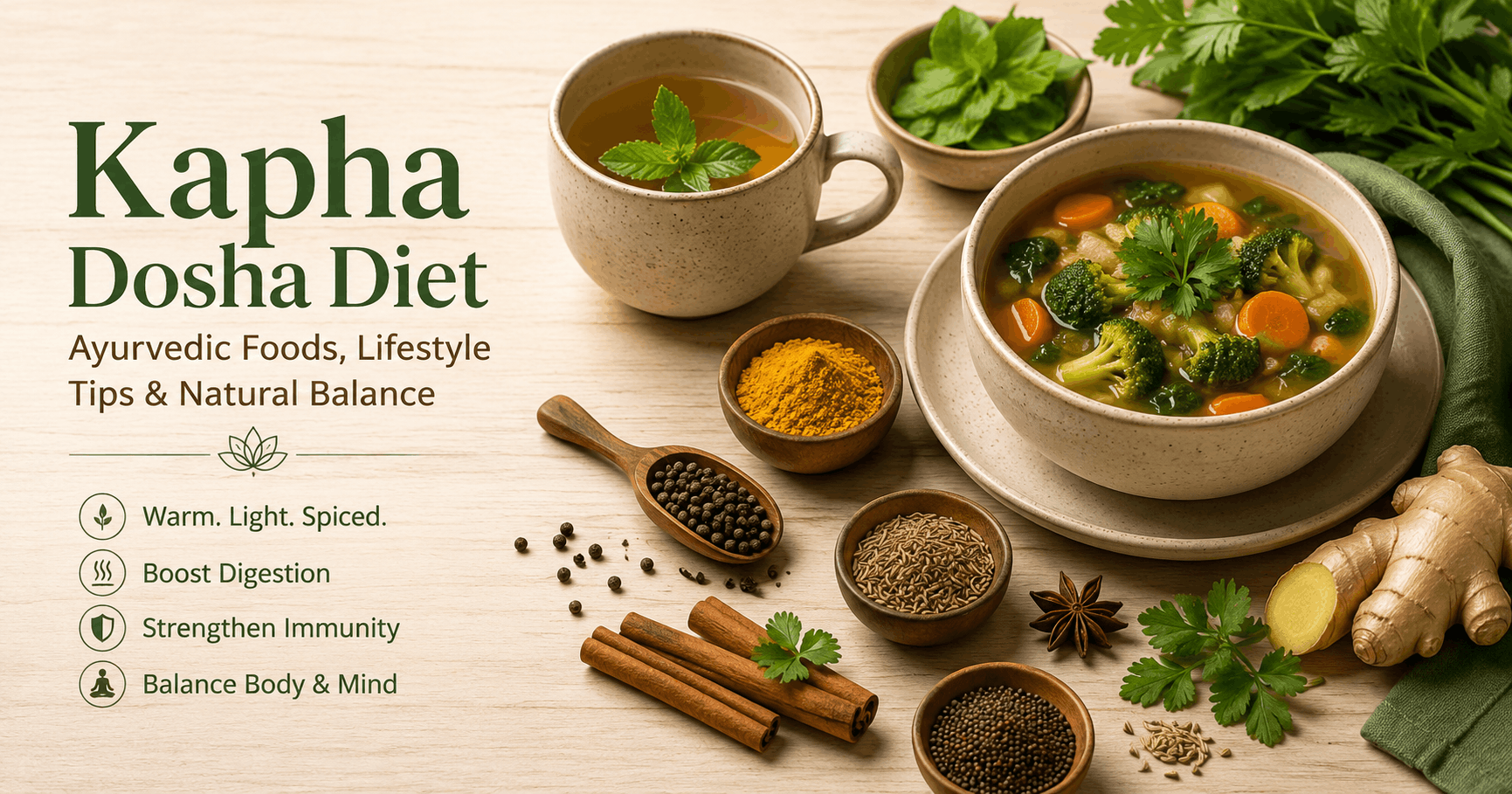
Kapha Dosha Diet, Symptoms and Balance: Ayurvedic Foods, Lifestyle Tips and Natural Remedies
How to Balance Kapha Naturally
Kapha Dosha is the Ayurvedic principle of earth, water, structure, nourishment, lubrication and stability. It governs body strength, immunity, tissue formation, joint lubrication, respiratory moisture, emotional calmness, patience and long-term resilience. When balanced, Kapha creates steadiness, compassion, endurance and grounded vitality. When aggravated, it can appear as heaviness, slow digestion, weight gain, mucus, congestion, water retention, excessive sleep, low motivation and emotional stagnation.
This guide reorganizes the essential Kapha Dosha information into a practical, search-friendly Ayurvedic resource. It explains what Kapha is, how imbalance develops, which foods to favor and reduce, why warm and light foods are recommended, and how diet, daily routine, herbs, exercise, breathing practices, sleep and emotional care can help restore energy and clarity.
Kapha is balanced by introducing the opposite qualities: warmth, lightness, dryness, movement, stimulation and variety. The goal is not to eliminate Kapha, but to transform stagnation into strength and heaviness into stable vitality.
· Favor warm, light, dry and well-spiced meals.
· Choose pungent, bitter and astringent tastes more often.
· Reduce heavy, oily, cold, sweet, sour and overly salty foods.
· Use warming spices such as ginger, black pepper, turmeric, cinnamon, cumin and mustard seed.
· Exercise regularly and include movement that creates warmth and light sweating.
· Wake early, avoid daytime sleep and keep the morning active.
· Support digestion, circulation, respiratory clarity and emotional movement.
Because Kapha is heavy, cool, slow, moist and stable, Ayurvedic care focuses on lightening the body, stimulating Agni, clearing excess mucus and creating a more dynamic rhythm in daily life.
What Is Kapha Dosha?
In Ayurveda, health is understood through three biological energies called Doshas: Vata, Pitta and Kapha.Kapha Dosha is made of the earth and water elements. It is the principle that gives the body form, cohesion, strength, protection and lubrication.
Kapha supports healthy tissues, joint lubrication, immune strength, fertility, skin moisture, respiratory protection, emotional steadiness and long-term vitality. It is the nourishing and stabilising force that allows the body and mind to feel safe, steady and resilient.
People with a Kapha-dominant constitution often have a strong body frame, steady energy, good stamina, calm temperament, good memory and affectionate nature. However, because Kapha is naturally heavy, cool, slow, smooth and moist, it can become excessive when similar qualities are repeated through diet, climate, habits or emotions.
For this reason, Kapha is balanced through the opposite qualities: light, warm, dry, sharp, mobile and stimulating.
Kapha Dosha in Balance
Balanced Kapha gives a stable foundation for health. It supports physical strength, stamina, immunity, deep recovery, emotional calm and the ability to remain patient under pressure. It also provides the body with nourishment and protects the tissues from dryness and depletion.
When Kapha is functioning well, it supports:
- Strong immunity and resistance
- Good physical strength and stamina
- Healthy joints and lubrication
- Calm mind and emotional stability
- Deep sleep and recovery
- Good memory and concentration
- Healthy fertility and tissue nourishment
- Compassion, patience and generosity
- Stable energy throughout the day
In its healthy state, Kapha is not a problem to remove; it is a vital force to protect. The goal of Ayurvedic care is to reduce excess Kapha while preserving its positive qualities of nourishment, stability and compassion.
Causes of Kapha Imbalance
Kapha increases when the body and mind receive too many Kapha-like qualities: heavy, cold, oily, sweet, slow, damp and sedentary. In modern life, Kapha imbalance is often linked with long periods of sitting, heavy meals, emotional eating, late waking, frequent snacking, reduced exercise and cold or damp weather.
Frequent causes of excess Kapha include:
- Eating heavy, oily, fried or very sweet foods
- Excessive dairy products, cheese, yogurt and cold milk
- Overeating or eating without real hunger
- Frequent snacking, especially sweets and refined carbohydrates
- Lack of exercise or sedentary lifestyle
- Sleeping too much or sleeping during the day
- Waking up late in the morning
- Excessive emotional attachment or resistance to change
- Cold and damp weather
- Suppressed emotions, sadness or emotional stagnation
- Slow digestion and accumulation of Ama, or metabolic toxins
- Excessive intake of cold drinks, ice cream and refrigerated foods
Kapha is naturally more easily aggravated during late winter and spring, especially when the environment is cold, wet and heavy. This is why some people experience more mucus, allergies, sinus congestion, fatigue and sluggish digestion during spring.
Signs and Symptoms of Kapha Imbalance
Kapha imbalance usually develops gradually. Because Kapha governs structure, fluids, lubrication and stability, excess Kapha often appears as heaviness, accumulation, congestion and slow movement in the body or mind.
Common symptoms may include:
Physical Signs
- Heaviness in the body
- Weight gain or difficulty losing weight
- Slow digestion and low appetite
- Excess mucus, cough or congestion
- Sinus problems or blocked nose
- Water retention and swelling
- Feeling cold, damp or sluggish
- Excessive sleep or difficulty waking up
- Lack of motivation
- Emotional attachment or possessiveness
- Depression-like heaviness or mental dullness
- Oily skin, thick skin or acne with congestion
- High cholesterol tendency
- Sweet cravings and emotional eating
- Feeling stuck physically, mentally or emotionally
Mental and Emotional Signs
· Low motivation or difficulty starting tasks.
· Emotional heaviness, sadness or dullness.
· Attachment to comfort, routine or familiar patterns.
· Resistance to change.
· Emotional eating or sweet cravings.
· Feeling stuck physically, mentally or emotionally.
· Slow decision-making and reduced enthusiasm.
Ayurvedic Principles for Balancing Kapha Dosha
The Ayurvedic approach to Kapha is based on the principle of opposites. Since Kapha is naturally heavy, cold, oily, slow and stable, it is balanced with qualities that are warm, light, dry, mobile, sharp and energising.
A complete Kapha-balancing plan may include:
- Kapha-pacifying diet
- Digestive fire stimulation with spices
- Regular exercise and sweating
- Dry massage, known as Garshana or Udvartana
- Herbal support for metabolism and digestion
- Panchakarma detoxification when needed
- Avoidance of daytime sleep
- Emotional movement and mental stimulation
- A structured daily routine with discipline and activity
The aim is not to weaken Kapha, but to remove stagnation and restore healthy function. A personalised Ayurvedic plan should consider constitution, digestion, age, season, current symptoms, medical history and lifestyle.
Kapha-Pacifying Food Table: Foods to Favor, Reduce and Why
The best diet for Kapha is generally warm, light, dry, mildly spicy, bitter, pungent and astringent. Meals should be freshly cooked, moderate in portion size and easy to digest. Kapha usually does better with fewer snacks, an early dinner and warm drinks throughout the day.
Heavy, cold, oily, sweet and overly salty foods tend to increase Kapha and should be reduced, especially when there is mucus, weight gain, water retention, fatigue or slow digestion. Any fasting or cleansing approach should be adapted to the individual and supervised when needed.
Kapha Food Guide by Category
|
Food Category |
Foods to Favour |
Why They Help Kapha |
Unfavoured Foods to Reduce |
|
Grains |
Barley, millet, buckwheat, rye, quinoa, corn, old rice in moderation. |
Light, drying grains support digestion and help reduce heaviness. |
Wheat, white rice, excess oats, heavy breads, pastries and refined flour. |
|
Legumes |
Lentils, mung beans, chickpeas, split peas, red lentils and black beans in moderation. |
Protein-rich legumes are generally lighter than dairy or heavy animal foods and support metabolic activity. |
Heavy bean preparations, excess soy products and poorly digested kidney beans. |
|
Vegetables |
Leafy greens, cabbage, broccoli, cauliflower, asparagus, radish, carrots, beetroot, celery, zucchini and green beans. |
Bitter, pungent and astringent vegetables help clear stagnation and excess moisture. |
Potatoes, sweet potatoes, pumpkin in excess, cucumber in excess and very watery vegetables. |
|
Fruits |
Apples, pears, pomegranate, berries, cherries, cranberries, dried figs and dried apricots in moderation. |
Astringent and mildly sweet fruits are lighter and less mucus-forming for Kapha. |
Banana, mango, melon, coconut, dates, grapes and very sweet juicy fruits. |
|
Dairy |
Small amounts of warm spiced milk if tolerated, goat milk in moderation and light spiced buttermilk. |
Warm spices make dairy easier to digest, but portions should remain small. |
Cheese, yogurt, cold milk, cream, ice cream, butter and excessive ghee. |
|
Oils and Fats |
Mustard oil, flaxseed oil and small amounts of sesame oil or ghee when needed. |
Minimal, warming fats prevent dryness without increasing Kapha heaviness. |
Excess oil, fried foods, butter, cream, heavy sauces and oily snacks. |
|
Nuts and Seeds |
Pumpkin seeds, sunflower seeds and flaxseeds in small amounts. |
Seeds can provide nourishment without becoming too heavy when used sparingly. |
Cashews, excess almonds, peanuts, sesame sweets and heavy nut butters. |
|
Spices |
Ginger, black pepper, long pepper, turmeric, cinnamon, cumin, coriander, fenugreek, mustard seeds, cloves and cardamom. |
Warming spices stimulate Agni, support metabolism and help clear mucus. |
Excess salt, cold condiments, creamy sauces and too much sugar. |
|
Sweeteners |
Raw honey in small quantity, especially with warm water when suitable. |
Honey is traditionally considered scraping and Kapha-reducing when used moderately. |
White sugar, brown sugar, jaggery in excess, syrups, desserts and artificial sweets. |
|
Drinks |
Warm water, ginger tea, cinnamon tea, tulsi tea and suitable herbal infusions. |
Warm drinks support digestion, circulation and respiratory clarity. |
Cold drinks, iced water, smoothies, milkshakes, sweet juices and excess alcohol. |
|
Animal Products |
Light soups and lean meats if part of the diet, prepared with spices. |
Light, spiced preparations are easier to digest than heavy or oily meals. |
Red meat, processed meat, heavy oily fish and fried animal products. |
Best Tastes for a Kapha-Pacifying Diet
Ayurveda describes food through six tastes: sweet, sour, salty, pungent, bitter and astringent. For Kapha imbalance, the most helpful tastes are pungent, bitter and astringent because they are lighter, drier and more stimulating.
- Pungent taste: stimulates metabolism and clears stagnation
- Bitter taste: lightens the body and supports detoxification
- Astringent taste: dries excess moisture and reduces heaviness
Kapha should reduce excessive intake of:
- Sweet taste, because it increases heaviness and mucus
- Sour taste, because it can increase water retention and congestion
- Salty taste, because it may increase fluid retention and heaviness
These tastes do not need to be eliminated completely. The goal is intelligent moderation, based on constitution, season, digestive strength and current health condition.
Best Foods to Lighten and Balance Kapha
A Kapha-balancing diet should feel warm, light, energising and easy to digest. Excellent choices include barley, millet, buckwheat, lentils, mung beans, leafy greens, cabbage, broccoli, radish, apples, pears, pomegranate, ginger, black pepper, turmeric, cinnamon, cumin, tulsi tea and warm water. Meals are usually best served warm, freshly cooked and moderately portioned.
Foods That Aggravate Kapha
Foods that are very heavy, cold, oily, sweet, dense or mucus-forming tend to increase Kapha. Cheese, yogurt, ice cream, cold milk, fried foods, pastries, refined sugar, excessive wheat, white rice, cold drinks, smoothies, heavy desserts and overeating may worsen sluggish digestion, congestion, water retention, fatigue and weight gain. These foods do not need to be permanently eliminated for everyone, but they should be reduced when Kapha symptoms are active.
Daily Routine and Lifestyle for Kapha Dosha
Lifestyle is one of the most important tools for Kapha balance. Kapha increases with excessive comfort, repetition, sleep, inactivity and emotional stagnation. It improves with movement, discipline, warmth, variety and purposeful stimulation.
The best lifestyle practices for Kapha include:
- Wake up early, preferably before sunrise
- Avoid sleeping during the day
- Do regular physical exercise
- Include sweating activities such as brisk walking, yoga, cycling or dynamic movement
- Keep meals light and avoid overeating
- Avoid eating late at night
- Drink warm water throughout the day
- Keep the body warm and dry
- Use dry brushing or herbal powder massage
- Choose variety, creativity and new experiences
- Reduce emotional eating and comfort-food patterns
- Practice breathing exercises to clear the lungs and sinuses
- Maintain a clean, uncluttered environment
A strong morning routine is especially helpful because Kapha naturally dominates the early part of the day. Exercise, breathwork, dry brushing and warm herbal tea can help create momentum before heaviness develops.
Exercise for Kapha Balance
Kapha people often have good endurance, but they need regular activation to prevent heaviness and stagnation. The best exercise is consistent, warming, energising and enjoyable.
Helpful forms of movement include:
· Brisk walking.
· Dynamic yoga.
· Cycling.
· Swimming when the body remains warm.
· Dancing.
· Strength training.
· Hiking.
· Breath-led movement practices.
· Any activity that creates warmth, sweat and circulation.
Avoid long periods of inactivity, excessive sleep and waiting for motivation before moving. For Kapha, action often creates motivation rather than the other way around.
Ayurvedic Herbs and Spices Traditionally Used for Kapha Balance
Ayurveda traditionally uses warming herbs and spices to support digestion, metabolism, respiratory clarity and the reduction of excess Kapha.The correct choice depends on constitution, symptoms, medical history, medication use and digestive strength.
Common Kapha-supportive herbs and spices include:
- Ginger
- Black pepper
- Long pepper
- Turmeric
- Cinnamon
- Fenugreek
- Cumin
- Mustard seeds
- Tulsi
- Triphala
- Trikatu
- Guggulu-based formulations when appropriate
Herbs should be used with professional guidance, especially during pregnancy, while taking medication, or in cases of chronic disease, hypertension, acidity, autoimmune conditions or metabolic disorders.
Kapha Dosha, Digestion, Weight, Mucus and Respiratory Health
Kapha imbalance is closely linked with slow digestion. When Kapha increases, digestive fire may become weak, leading to heaviness after meals, low appetite, bloating, coated tongue, sluggish bowel movements and accumulation of Ama.
To support digestion in Kapha imbalance:
- Eat only when hungry
- Avoid overeating
- Prefer warm cooked meals
- Use digestive spices
- Avoid cold drinks with meals
- Take a short walk after eating
- Keep dinner light and early
- Avoid frequent snacking
For many Kapha-related conditions, improving digestion is the first practical step toward restoring energy, reducing heaviness and supporting metabolic health.
Kapha Dosha, Weight Gain and Metabolism
Kapha is naturally connected with body structure, tissue formation and nourishment. In balance, it gives strength and endurance. In excess, it may contribute to weight gain, slow metabolism, fluid retention and difficulty reducing body fat.
Ayurveda does not approach weight management only through calories. It also considers digestion, Agni, Ama, sleep, stress, emotional eating, hormones, daily rhythm and individual constitution.
A Kapha-balancing approach to metabolism may include:
- Light and warm diet
- Kapha-reducing spices
- Regular exercise
- Reduction of sugar and dairy
- Early dinner
- Herbal digestive support
- Panchakarma detoxification if indicated
- Emotional and behavioral support
- Correction of sleep and daily rhythm
The aim is to restore natural metabolic intelligence and sustainable habits rather than force aggressive or short-term weight loss.
Kapha Dosha and Respiratory Congestion
Kapha governs mucus, lubrication and protection in the respiratory system. When balanced, it keeps the airways protected and moist. When aggravated, it can contribute to excess mucus, cough, sinus congestion, heaviness in the chest and recurrent colds.
Respiratory Kapha imbalance is often worse during spring, cold damp weather, after heavy meals, after dairy intake or when physical activity is low.
Kapha-balancing respiratory support may include:
- Warm herbal teas
- Steam inhalation when suitable
- Avoidance of cold dairy and cold drinks
- Dynamic breathing practices
- Light diet during congestion
- Spices such as ginger, black pepper and turmeric
- Nasya therapy under professional guidance
A personalised Ayurvedic consultation can help determine whether respiratory symptoms are mainly Kapha-related or mixed with Vata, Pitta or Ama.
Emotional Balance for Kapha Dosha
Balanced Kapha gives love, patience, loyalty and emotional security. When Kapha is excessive, these same qualities can become attachment, resistance to change, emotional heaviness, withdrawal or lack of motivation.
Kapha emotional imbalance may appear as:
- Difficulty letting go
- Emotional eating
- Lack of motivation
- Attachment to routine or comfort
- Feeling stuck
- Excessive sleep or withdrawal
- Slow decision-making
To balance Kapha emotionally, Ayurveda encourages movement, expression, warmth, social connection, creative activity, breathwork and gradual release of emotional stagnation.
Seasonal Care for Kapha Dosha
Kapha is most easily aggravated during late winter and spring, when the environment becomes cold, damp and heavy. This season is especially important for lighter food, more movement and digestive support.
Spring is traditionally considered a useful time for:
- Lighter meals
- Herbal digestive support
- Reducing dairy and sweets
- Increasing exercise
- Sweating therapies
- Dry massage
- Ayurvedic cleansing
- Panchakarma when appropriate
A seasonal Kapha routine may help reduce spring fatigue, mucus accumulation, allergies and sluggish metabolism.
When to Consult an Ayurvedic Practitioner
You may benefit from an Ayurvedic consultation if you experience persistent heaviness, fatigue, weight gain, slow digestion, mucus, sinus congestion, water retention, emotional stagnation, low motivation or difficulty maintaining healthy habits.
An Ayurvedic practitioner can assess constitution, current Dosha imbalance, Agni, Ama, lifestyle, diet, stress patterns and seasonal influences. A personalised plan may include nutrition, daily routine, herbal support, Panchakarma therapies, breathing practices and holistic lifestyle guidance.
For people in Nyon, Geneva, Lausanne, Rolle, Gland, Morges and the wider Suisse Romande region, Ayurveda offers a natural and personalised approach to support digestion, metabolism, respiratory health, immunity and emotional balance.
Frequently Asked Questions About Kapha Dosha
What is Kapha Dosha in Ayurveda?
Kapha Dosha is one of the three main Ayurvedic energies. It is made of earth and water elements and governs structure, stability, immunity, lubrication, nourishment, strength and emotional calmness.
What are the main signs of Kapha imbalance?
The most common signs are heaviness, weight gain, slow digestion, fatigue, mucus, sinus congestion, water retention, excessive sleep, low motivation, emotional attachment and metabolic sluggishness.
What foods balance Kapha Dosha?
Kapha is balanced by warm, light, dry and mildly spicy foods. Barley, millet, lentils, leafy greens, apples, pears, ginger, turmeric, black pepper, cinnamon and warm herbal teas are often helpful.
What foods should Kapha avoid?
Kapha should reduce heavy, cold, oily and sweet foods such as cheese, yogurt, ice cream, fried foods, refined sugar, pastries, excessive wheat, cold drinks and heavy desserts.
Is fasting good for Kapha Dosha?
Kapha types often tolerate light fasting better than Vata or Pitta types, but fasting should be adapted to the individual. Gentle intermittent fasting, light dinners or occasional mono-diets may help when digestion is slow, but professional guidance is recommended.
Which lifestyle is best for Kapha Dosha?
Kapha needs movement, discipline, warmth and stimulation. Regular exercise, early waking, avoiding daytime sleep, dry massage, warm drinks and a structured routine are very beneficial.
Why does Kapha cause mucus and congestion?
Kapha governs moisture and lubrication in the body. When excessive, it can produce too much mucus, leading to sinus congestion, cough, blocked nose, allergies or heaviness in the chest.
Can Ayurveda help with Kapha-related weight gain?
Ayurveda can support Kapha-related weight gain by improving digestion, stimulating metabolism, reducing Ama, correcting lifestyle habits and using personalized nutrition, herbs and Panchakarma therapies when appropriate.
What is the best exercise for Kapha Dosha?
Kapha benefits from regular, vigorous and warming exercise such as brisk walking, dynamic yoga, cycling, swimming, strength training, dancing or any activity that creates sweat and movement.
Is dairy bad for Kapha?
Dairy is heavy, cold and mucus-forming, so it can aggravate Kapha when taken excessively. Cheese, yogurt, ice cream and cold milk are especially Kapha-increasing. Small amounts of warm spiced milk may be suitable for some individuals.
What is the best morning routine for Kapha?
A Kapha-balancing morning routine includes waking early, tongue scraping, drinking warm water, dry brushing, exercise, breathwork and eating a light breakfast only if hungry.
Can Kapha imbalance affect emotions?
Yes. Kapha imbalance may create emotional heaviness, attachment, sadness, lack of motivation and resistance to change. Movement, warmth, creativity and emotional expression help restore balance.
Which season aggravates Kapha the most?
Kapha is most aggravated during late winter and spring, especially in cold, damp and heavy climates. This is the best time for a lighter diet, more exercise and Ayurvedic cleansing.
What Ayurvedic therapies help reduce Kapha?
Kapha may benefit from Udvartana, Garshana, Swedana, Nasya, Vamana in selected cases, digestive herbs and Panchakarma detoxification. These therapies should be chosen according to the person’s health condition and constitution.
Where can I get Ayurvedic support for Kapha imbalance in Switzerland?
If you are looking for Ayurveda in Nyon, Geneva, Lausanne, Gland, Rolle, Morges or Suisse Romande, a personalized Ayurvedic consultation can help identify your Kapha imbalance and create a tailored plan for diet, lifestyle, digestion, metabolism and holistic health.
Conclusion
Kapha Dosha is the energy of stability, nourishment, immunity and emotional grounding. In balance, it gives strength, calmness, endurance, compassion and resilience. In excess, it may create heaviness, mucus, congestion, slow digestion, weight gain, water retention, fatigue and emotional stagnation.
Balancing Kapha requires warm and light food, regular movement, digestive stimulation, reduced sugar and dairy, emotional release, early waking and a lifestyle that creates momentum. With Ayurvedic guidance, Kapha can be transformed from heaviness into steady vitality and grounded strength.
A personalised Ayurvedic consultation can help identify your constitution, understand your symptoms and create a precise diet, lifestyle and herbal support plan for long-term Kapha balance.