Preconception & Reproductive Care
Female Infertility, Fertility & Ayurveda in Nyon
Personalised Preconception Support alongside Medical Fertility Assessment
Difficulty conceiving may be related to ovulation, age, ovarian reserve, PCOS, endometriosis, the fallopian tubes or the uterus. At L’essencce in Nyon, Ayurveda offers personalised complementary support for pregnancy planning alongside appropriate medical fertility assessment of the couple.
Biomedical Context & Assessment
Understanding Female Infertility
Female infertility does not have a single cause. It may be associated with ovulation disorders, reduced ovarian reserve, PCOS, endometriosis, tubal factors, certain fibroids or polyps, or other hormonal and gynaecological conditions.
Ideally, fertility assessment should consider the couple, because a male factor may also be involved. Age also plays an important role in the probability of conception, which is why fertility care should be adapted to both the clinical context and reproductive goals.
Fertility: Why Are Ovulation and Age So Important?
Pregnancy requires several factors to work together, including functional ovulation, patent fallopian tubes, a uterine environment compatible with implantation and adequate sperm quality.
With age, the number and quality of available oocytes gradually decline. Complementary care should therefore not delay fertility investigations when they are indicated, particularly in the presence of absent periods, known endometriosis, significant gynaecological history or more advanced reproductive age.
Understanding Fertility According to Ayurveda
Classical Ayurveda describes several fundamental factors considered essential for healthy conception:
- Ṛtu — appropriate reproductive timing, seasonal rhythm and menstrual cycle regularity.
- Kṣetra — the reproductive field, womb and welcoming pelvic environment.
- Ambu — nourishment, hydration and the vital metabolic fluid supporting reproduction.
- Bīja — reproductive potential, oocyte vitality and cellular essence (seed).
The assessment may also consider Ārtava (female reproductive tissue and hormonal harmony), Apāna Vāta (the downward-moving energy governing pelvic and reproductive organs), Agni (digestive and metabolic capacity) and overall nutritional status. These classical concepts provide a structured framework for individualising preconception support alongside biomedical fertility assessment.
Holistic Strategy
The Ayurvedic Approach to Female Fertility
Individualised preconception support built around the woman’s unique constitutional profile, metabolic health and fertility pathway.
01
Step 01
Understanding Your Cycle & Fertility Journey
The consultation considers cycle regularity, ovulation, gynaecological history, previous pregnancies, possible miscarriages, hormonal treatments, investigations already performed and current pregnancy plans.
Diagnoses such as PCOS, endometriosis, uterine fibroids, thyroid disorders or reduced ovarian reserve are carefully taken into account so that complementary support remains fully coordinated with your medical team.
02
Step 02
Individual Ayurvedic Assessment
Assessment distinguishes Prakriti (individual constitution) from Vikriti (current imbalance) and evaluates Apāna Vāta, Agni, nutrition, sleep quality, energy levels, stress and digestive health during an in-depth Ayurvedic consultation.
A woman with PCOS and irregular ovulation does not have the same priorities as someone with reduced ovarian reserve or known endometriosis. The approach is therefore built around the real clinical and constitutional situation rather than a standard “fertility protocol”.
03
Step 03
Nutrition & Preconception Preparation
Āhāra (nutrition) should be sufficiently nourishing, balanced and appropriate for digestion. Very restrictive diets, rapid weight loss or aggressive “detox” programmes are generally inappropriate during preconception preparation.
The consultation provides tailored guidance on meal regularity, nutritional status, protein intake, micronutrients, body weight, physical activity and metabolic stability according to individual needs.
04
Step 04
Sleep, Stress & Lifestyle (Vihāra)
Vihāra (lifestyle guidance) includes restorative sleep, daily routine (Dinacharya), gentle physical activity and emotional stress regulation.
These are considered vital components of the overall terrain rather than the sole cause of infertility. Recovery and a stable daily rhythm become particularly important when the fertility journey is prolonged or emotionally demanding.
05
Step 05
Ayurvedic Herbal Medicine & Therapies
Individualised Ayurvedic formulations may be considered according to constitution, Agni, menstrual cycle and the fertility context after reviewing current treatment and potential interactions.
Depending on the assessment, support may include Abhyanga (warm herbal oil massage), Marma therapy, Shirodhara (continuous flow of warm liquid over the forehead) and Nasya.
Important clinical clarifications: Uttara Basti (traditional genitourinary administration) must not be presented as a method capable of “unblocking fallopian tubes” — tubal obstruction requires specialist gynaecological assessment. Similarly, Dhūmana (fumigation) should not be used vaginally when infection is suspected without prior gynaecological evaluation.
06
Step 06
Panchakarma in Preconception, IVF & Assisted Reproduction
In Ayurvedic medicine, Panchakarma (classical therapeutic cleansing procedures) may have a role in carefully selected preconception programmes when planned well before ovarian stimulation, intrauterine insemination or IVF.
After several unsuccessful assisted reproduction or IVF attempts, a new medical fertility assessment remains essential. As a complementary approach, Ayurvedic reassessment considers Agni, the Doshas, Apāna Vāta, nutritional status and stress before deciding whether procedures like Virechana or Basti are appropriate. All herbs and procedures must be disclosed to the IVF team to prevent interactions.
A Complementary Approach Adapted to Pregnancy Planning
The aim of Ayurvedic care is not to guarantee pregnancy or replace medical fertility treatments, but to work realistically on foundational pillars: cellular nutrition, digestive fire (Agni), nervous system regulation, restorative sleep, menstrual cycle regularity and overall vitality.
Ayurveda remains strictly complementary to gynaecological, endocrinological and reproductive fertility assessments, especially when maternal age, ovarian reserve, endometriosis, PCOS or tubal factors require specialist medical oversight.
Answers & Guidance
Frequently Asked Questions
Key insights regarding Ayurvedic preconception care, medical fertility testing, PCOS, endometriosis, and IVF support.
When should I start a fertility assessment?
A fertility evaluation is commonly considered after 12 months of regular unprotected intercourse without pregnancy, or after 6 months when the woman is 35 or older. Earlier assessment may be appropriate depending on medical history, such as absent periods, severe pelvic pain or known endometriosis.
What are common causes of female infertility?
Common causes include ovulation disorders, PCOS, endometriosis, tubal factors, uterine fibroids or polyps, and age-related decline in fertility. A male factor should also be assessed simultaneously.
Can Ayurveda improve AMH or ovarian reserve?
It is not appropriate to promise that Ayurveda can increase AMH or restore diminished ovarian reserve. These parameters should be interpreted within the medical fertility assessment and reproductive age.
How does Ayurveda understand female fertility?
Ayurveda considers the four classical pillars: Ṛtu (optimal timing), Kṣetra (receptive uterine terrain), Ambu (nourishing biological fluids) and Bīja (reproductive seed/ovum vitality), together with Artava, Apāna Vāta, Agni and nutritional status. This framework complements but does not replace fertility testing.
Can Ayurveda support fertility when PCOS affects ovulation?
Yes, as complementary support. In PCOS, care may focus on cycle regulation, metabolic health, insulin balance, nutrition, sleep and physical activity alongside appropriate gynaecological follow-up.
What is the role of Ayurveda in endometriosis-related fertility difficulties?
Ayurveda may support nutrition, digestion, lifestyle and general wellbeing, but it should not delay specialist care. It cannot guarantee conception or remove endometriosis lesions.
Can Ayurvedic care be used during IVF?
Yes, with coordination. Herbs, supplements and intensive procedures should be disclosed to the IVF team to reduce the risk of interactions with ovarian stimulation and other medications.
Should Panchakarma be done before pregnancy or IVF?
Not routinely. Panchakarma should be individualised and carefully timed, particularly when a fertility protocol is approaching. Intensive treatment should never be imposed as a compulsory step before IVF.
What role can nutrition play in fertility?
Nutrition should support nutritional status, energy, digestion and metabolic stability. It should be sufficiently complete and adapted to the individual rather than restrictive or based on aggressive detoxification.
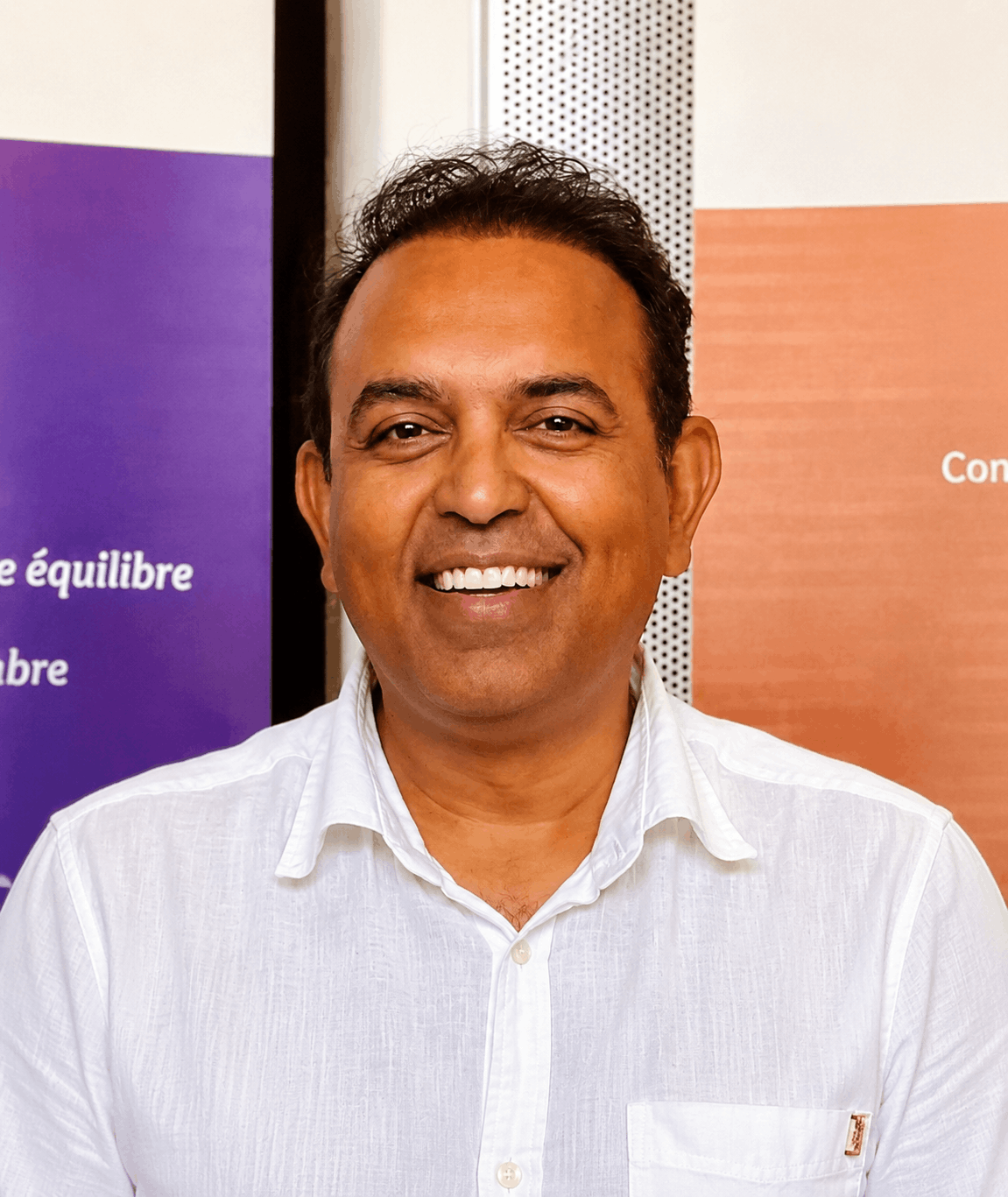
About Yogeet Kapoor
Vaidya (Ayurvedic Physician, India) & Swiss Federally Qualified Naturopath in Ayurvedic Medicine
ASCA & RME Accredited Practitioner
Yogeet Kapoor is a Vaidya (Ayurvedic physician, India) and a Swiss federally qualified naturopath specialising in Ayurvedic medicine.
At L’essencce in Nyon, he offers personalised Ayurvedic support for pregnancy planning, menstrual disorders and women’s health alongside appropriate gynaecological or fertility care.
Female Fertility & Ayurveda Consultation in Nyon
L’essencce – Centre for Ayurvedic Medicine, Naturopathy and Complementary Therapies is located in Nyon, in the heart of La Côte, where consultations take place.
The centre is easily accessible to patients from Gland, Rolle, Morges, Coppet and Versoix, as well as from the wider Geneva–Lausanne and Lake Geneva region across French-speaking Switzerland.
L’essencce – Nyon, La Côte
Book an Appointment at L’essencce
Has pregnancy been taking longer than expected, or are you already following a fertility pathway? A first Ayurvedic fertility consultation in Nyon can assess your menstrual cycle, constitution, nutrition and lifestyle and help build a personalised complementary approach.
Book your first Ayurvedic fertility consultation